
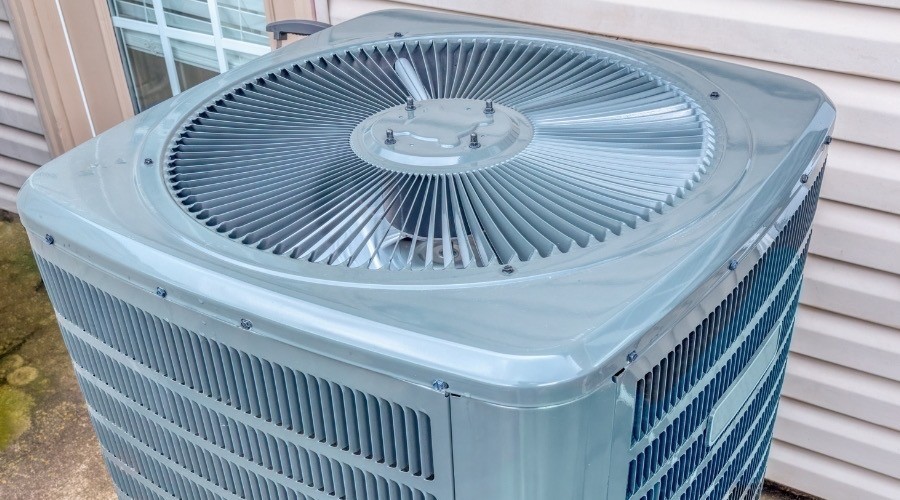
Important AC Replacement Basics to Know
Maintaining a reliable and efficient air conditioning system is essential for home comfort as outdoor temperatures continue to rise. While many property owners attempt to keep using their existing AC equipment for as long as possible, every system eventually reaches the end of its lifespan, at which point comfort can be affected, or repairs are no longer cost-effective.
Getting a proactive air conditioner replacement instead of waiting for the system to break down and stop cooling entirely can prevent the stress and discomfort of a total system failure during summer heat. Understanding the options for upgrading allows homeowners to make more informed decisions about which to install to replace their existing AC system. This guide will explain important information about air conditioning replacement, including signs that an air conditioner needs replacing, the advantages of replacing an old AC unit, and types of air conditioning systems to consider for replacement.
Signs to Replace an Air Conditioner
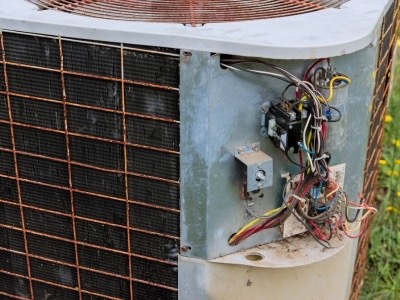 Recognizing early indicators that a cooling system is reaching the end of its lifespan and calling a professional to determine whether AC replacement is needed can prevent significant frustration and discomfort. One telling sign is the age of the equipment, as AC units older than 10 years may begin to slow down or experience recurring issues. While minor fixes might offer temporary relief, an aging system can eventually lose the ability to meet demanding cooling needs and lose efficiency, leading to higher cooling costs. High energy bills are frequently a symptom of an old, inefficient AC unit struggling to maintain set temperatures.
Another sign that air conditioning replacement is needed is when an air conditioner requires repairs too frequently, or an older air conditioner needs a repair that is too expensive. The total cost of service calls and parts can exceed the value of the unit itself, so a professional air conditioning replacement may be the more cost-effective solution. Other potential warning signs of an aging air conditioner that may need to be replaced include inconsistent temperatures or a loss of cooling.
Advantages of Replacing an Old AC Unit
Investing in a new AC installation to replace an old AC unit offers several benefits for a household. Modern cooling equipment uses advanced technology that dramatically improves energy efficiency compared to models manufactured even a decade ago. Also, because AC systems lose energy efficiency as they age, replacing an outdated air conditioner with a new, more energy-efficient one can lead to substantial savings on monthly cooling costs.
A new air conditioner installation also provides enhanced reliability, comfort, and peace of mind. With a new AC unit, free of wear and tear and backed by manufacturer warranties, the risk of unexpected breakdowns and associated repair costs is significantly reduced. Additionally, comfort can be improved, and a lower risk of problems and breakdowns means more reliable comfort. The replacement process also presents the perfect opportunity to resize the system. If a home has undergone renovations or the original unit was incorrectly sized, a professional can ensure the new air conditioning installation is perfectly matched to the property’s current square footage and cooling demands.
Choosing a Type of AC System
 When planning for an AC installation, homeowners typically decide between two types of cooling systems. The choice can depend on the home’s architecture, existing infrastructure, and the residents’ specific budget and needs. A traditional central air conditioning system is often the preferred and most cost-effective choice for homes with existing ductwork. These systems generally have a lower initial installation cost, especially when they use existing air ducts. Furthermore, a central AC system is largely out of sight, with vents that blend into the walls or ceilings while the ducts remain hidden. However, central air systems typically have higher monthly operating costs due to energy losses in the air ducts and the need to cool the entire home simultaneously.
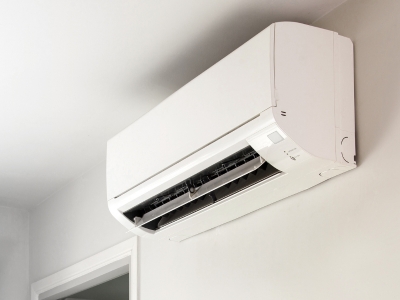
In contrast, a ductless mini-split system offers a modern, highly energy-efficient alternative. Because a ductless mini split AC system does not require air ducts, it eliminates the energy waste associated with ductwork, leading to lower monthly energy bills. These systems also offer exceptional room-by-room temperature control, allowing users to independently cool different zones of the home that have an indoor unit. While the upfront cost for a mini-split system is typically higher, and the wall-mounted indoor units are more visible, their installation flexibility due to the lack of ducts and long-term energy savings make them a compelling investment for many modern households.
About North Point Air Conditioning & Heating
North Point Air Conditioning & Heating has nearly 50 years of experience serving the Spring community and surrounding areas. They provide customer-first services, straightforward pricing, and a 100% satisfaction guarantee. Call for air conditioning replacement and installation in Spring, TX.
)
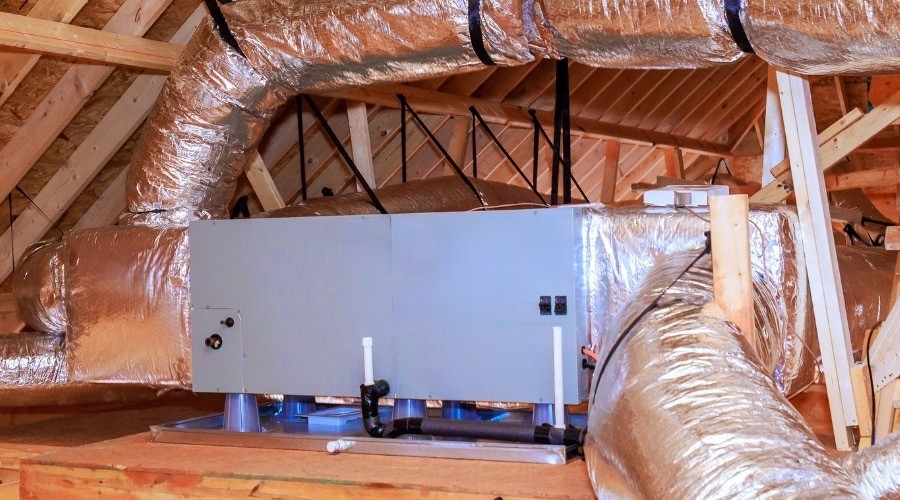
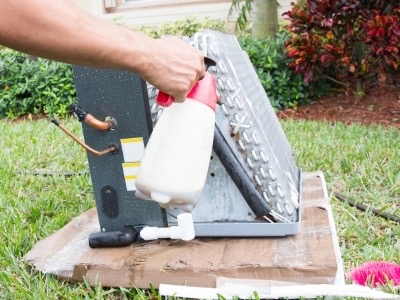 An air handler is the indoor unit of a split air-conditioning system or a heat-pump system. Its primary purpose is to distribute conditioned air throughout a house to various rooms via the ductwork.
  Annual air conditioning maintenance is the most effective way to protect the longevity of the air handler and the rest of the AC system, and to ensure energy-efficient performance. Professional AC maintenance includes several important tasks for the air handler unit, including evaporator coil cleaning, checking refrigerant levels, inspecting the blower, lubricating moving parts, and more. This consistent care not only helps maintain home comfort, energy efficiency, and lower operating costs but also extends the air conditioner’s lifespan and significantly reduces the risk of future repairs.
)
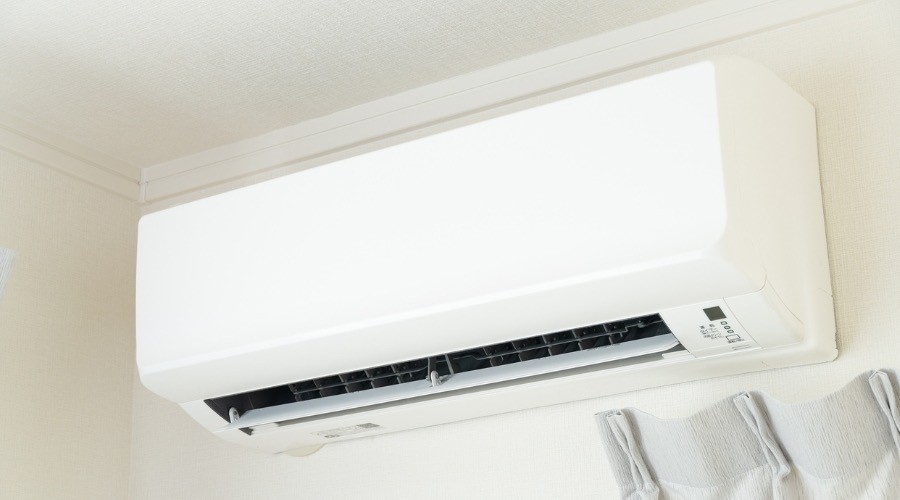
 One of the biggest advantages of a
  A ductless mini split system naturally divides a home into zones. Each indoor unit has its own controls, so different areas can be set to different temperatures based on how and when they are used. Bedrooms can stay cooler at night while common areas run at a moderate setting, or little-used rooms can be kept warmer to avoid unnecessary cooling.
)

 Regular upkeep and prompt air filter replacement are fundamental to sustaining high
 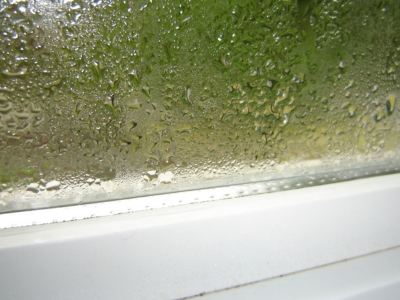 Maintaining the right indoor humidity levels is vital for supporting healthy air quality. Here’s how to manage humidity effectively:
)

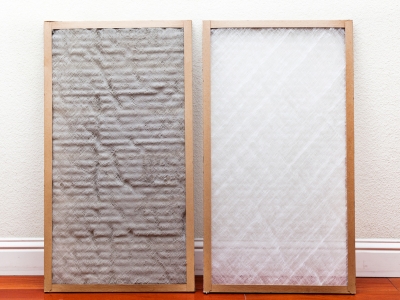 Regular maintenance of heating and air conditioning units, along with timely replacement of air filters, plays a pivotal role in improving energy efficiency and reducing costs.
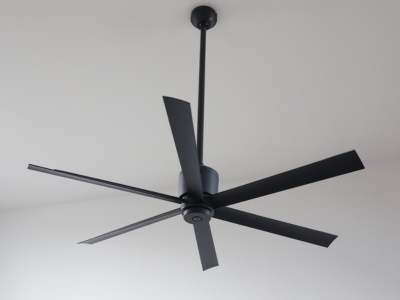 An often overlooked tool for reducing heating and cooling costs is the effective use of ceiling fans. By using ceiling fans in conjunction with HVAC systems, homeowners can adjust the thermostat without sacrificing comfort. Fans circulate heated or cooled air more effectively, allowing human skin to feel cooler in summer and warmer in winter.
)

 Another strong indicator that heating replacement may be near involves the monthly utility statement. As systems age, motors, burners, and heat exchangers tend to lose
  Comfort problems also signal that it may be time for a new heating installation. Rooms that never reach the set temperature, persistent cold spots, or a heater that runs constantly without delivering steady warmth all indicate trouble. These symptoms may stem from duct leaks, failing blowers, undersized equipment, or other issues that limit performance.
)

 An overheating furnace rarely fails without first sending out distress signals. One of the most common is a strong burning odor when the system runs. A faint smell at the start of the season can be normal as dust burns off, but an ongoing scorch‑like scent deserves attention.
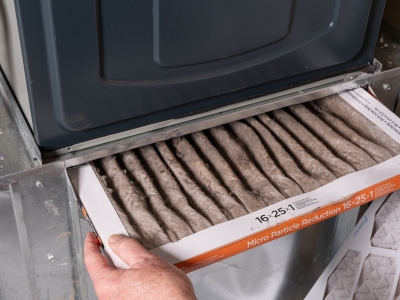 Preventing furnace overheating starts with maintaining proper airflow. A dirty furnace filter acts like a blockage in the duct system,
 )
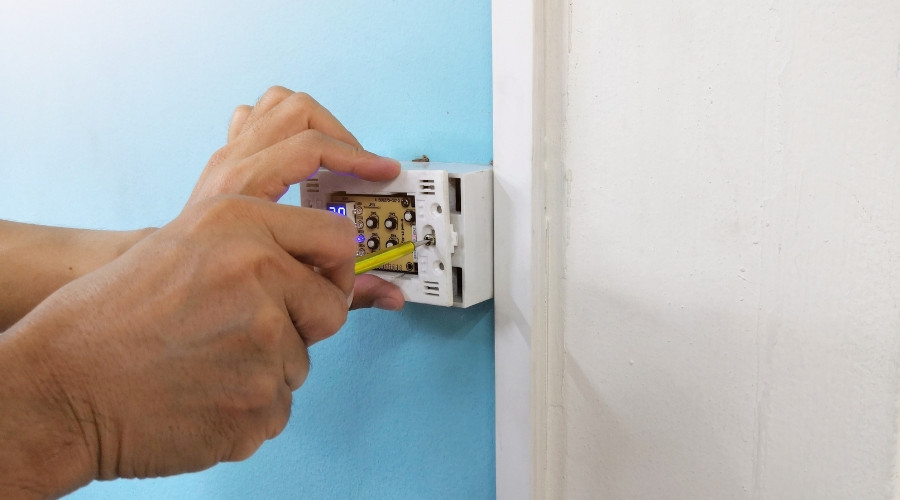
 A failing thermostat can create a variety of frustrating problems. One obvious warning sign is a blank or unresponsive screen, which may prevent temperature adjustments altogether. Even if the display works, incorrect temperature readings are another clue that thermostat replacement should be considered. When the thermostat senses the wrong temperature, heating and cooling equipment cannot operate as intended, leading to rooms that feel too warm or too cold.
 Traditional manual thermostat models require frequent hands‑on adjustments to change temperatures throughout the day. This often leads to inconsistent settings and missed opportunities for energy savings when no one is home or when everyone is asleep. Upgrading to a programmable thermostat or smart thermostat offers a more sophisticated approach to comfort and efficiency.
)
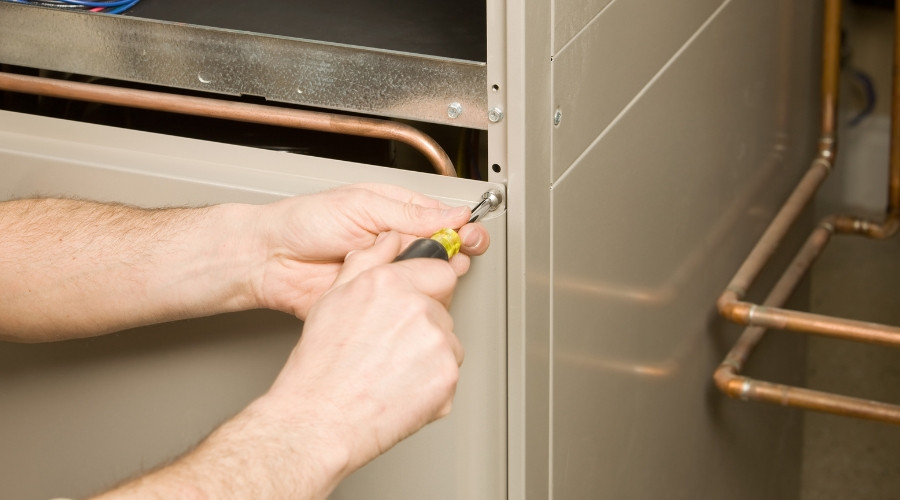
 Regular heater maintenance helps the heating system reach set temperatures with fewer, shorter cycles. When burners, heat exchangers, and blowers are clean and correctly adjusted, airflow improves and heat moves more easily through the home. Small tune‑ups—verifying temperature rise, checking safeties, and confirming proper fan settings—often add up to noticeable stability and better energy use.
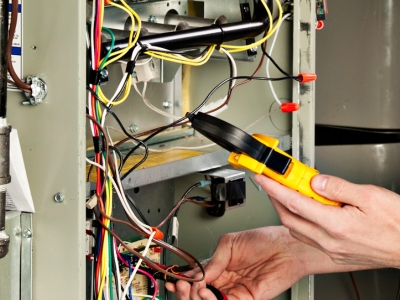 Unexpected outages rarely happen without warning; they appear when minor issues go unnoticed. A fall heating maintenance appointment gives a professional the chance to catch wear before it interrupts heat on the coldest nights. Common findings include weak igniters, dirty flame sensors, worn belts, and aged capacitors—each a small fault that can grow into a bigger repair if left in place.
)

 Maintaining proper humidity supports a healthier, more comfortable living space. When humidity sits in a balanced range, the home and its occupants benefit from steadier comfort and improved indoor air quality. This equilibrium helps prevent the issues associated with air that’s overly dry or overly moist.
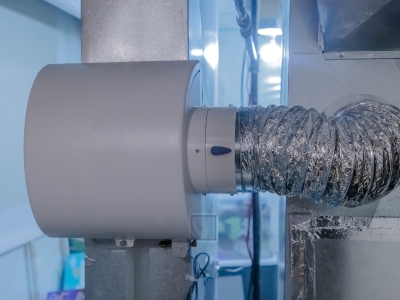 Frequent static shocks, tight or itchy skin, and chapped lips are classic signs that the air is too dry—often making humidifier installation the next logical step. During colder months, heated air commonly loses moisture, creating discomfort and irritation. Wood floors and furniture may begin to separate or crack, and houseplants can struggle even with adequate light and water.
)