What to Know About a Furnace Overheating
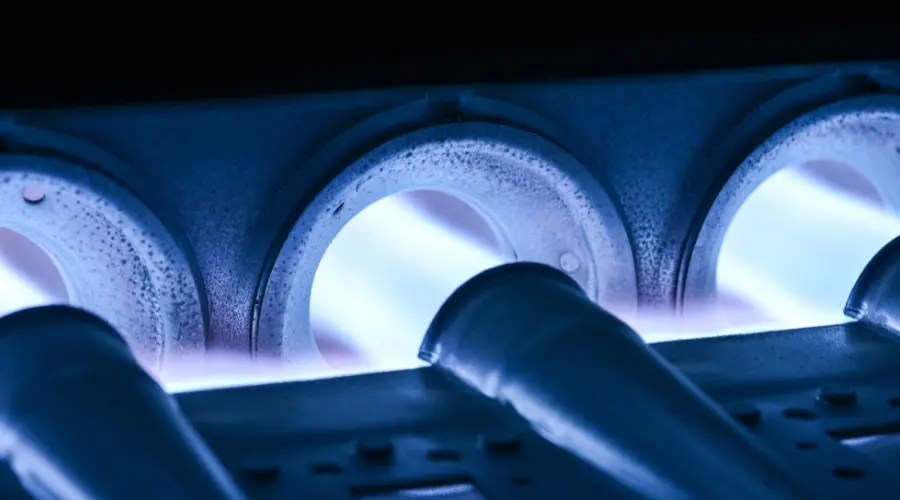
A furnace is designed to run hot, but there is a point where heat stops being helpful and starts causing trouble. When temperatures inside the cabinet climb too high, equipment wear, comfort issues, and even safety concerns can follow. This overview explains the main risks of furnace overheating, the warning signs an overheating furnace often gives off, and simple steps that help prevent an overheating problem from developing.
Risks of an Overheating Furnace
Excessive heat inside a furnace cabinet can be hard on every major component. Metal parts expand more than intended, wiring insulation can deteriorate, and the blower motor may struggle. Repeated overheating episodes often lead to costly repairs and can push a system toward premature furnace replacement well before its expected lifespan.
Safety is another serious concern. When a unit overheats often, surfaces around the heat exchanger and burners may become hot enough to increase the risk of a fire, especially if boxes, fabrics, or other combustibles are stored nearby. High temperatures also put additional stress on the heat exchanger. If that part cracks, combustion gases—including carbon monoxide—can leak into the home’s air supply. Prolonged exposure to carbon monoxide increases the risk of carbon monoxide poisoning, making it critical to investigate any suspected overheating issue rather than simply resetting the system.
Signs of an Overheating Furnace

Unusual sounds are another red flag. Persistent, louder-than-normal humming, buzzing, or metallic banging during operation may indicate that the blower is struggling against restricted airflow or that heat is causing components to expand and contract more aggressively.
Short cycling is also closely associated with furnace overheating. Instead of running steady cycles until the thermostat setting is reached, the unit may start, operate briefly, then shut down before the space is warm. High‑temperature safety switches often trigger this pattern to protect the equipment. If the furnace does not complete full cycles and comfort levels drop, excessive internal temperature is one possibility that should be checked by a professional.
Ways to Prevent a Furnace From Overheating
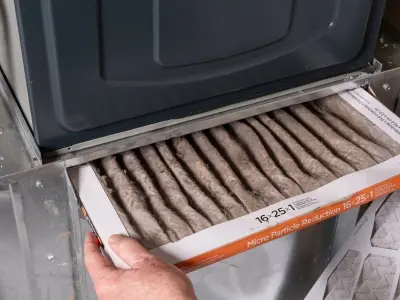
Scheduled furnace maintenance provides the second major line of defense. During a maintenance visit, a technician can:
- Clean dust and debris from burners and blower components
- Inspect the heat exchanger for cracks or hot spots
- Check temperature rise and airflow levels
- Test safety switches and electrical connections
These tasks help ensure that the system does not have to overwork or overheat to provide comfort. Keeping the area around the furnace clear of storage items further reduces fire risk and allows better ventilation around the cabinet. With consistent furnace maintenance and attentive filter care, most systems can operate safely through many heating seasons without encountering serious overheat problems.
About North Point Air Conditioning & Heating
North Point Air Conditioning & Heating is a trusted family-owned and operated HVAC company in Spring that’s been providing expert service and the latest technology for over 45 years. They are BBB-accredited, and their trusted technicians are NATE-certified, so customer satisfaction is guaranteed. Call them today for straightforward pricing when you schedule furnace repair in Spring, TX.
)