Top Signs It Is Time for a New Heater

Start the New Year Right With a Heater Replacement

Reliable heat makes winter days more comfortable and protects plumbing, finishes, and belongings from cold‑weather damage. Eventually, every furnace or heating system reaches the point where repairs no longer make sense and a planned heater replacement becomes the smarter choice. This guide explains when to start the New Year with a heating replacement, focusing on aging systems, rising utility costs, and equipment that can no longer keep the home consistently warm.

Old Age or Frequent Repairs

Heating equipment is not designed to last forever, so one sign to replace a heater is its age. Many furnaces and heat pumps deliver about fifteen to twenty years of service before major components begin wearing out. As internal parts age, reliability drops, comfort issues grow, and repair visits become more frequent.

If the heater needs attention every season, costs can quickly approach the price of a new unit. In that case, investing in heater replacement often provides better long‑term value than continuing to fund repeated heating repair appointments.

High Utility Bills

billsAnother strong indicator that heating replacement may be near involves the monthly utility statement. As systems age, motors, burners, and heat exchangers tend to lose efficiency, forcing the unit to run longer in order to reach the thermostat setting. That extra runtime shows up as a higher energy bill, even when outdoor temperatures and indoor habits look similar to past seasons.

Occasionally, a tune‑up or targeted heating maintenance visit can restore efficient performance by cleaning components and correcting airflow problems. However, if efficiency remains poor after recommended service and no specific fault is found, the age of the equipment itself often becomes the deciding factor in scheduling a full heater replacement.

Insufficient Heating

coldComfort problems also signal that it may be time for a new heating installation. Rooms that never reach the set temperature, persistent cold spots, or a heater that runs constantly without delivering steady warmth all indicate trouble. These symptoms may stem from duct leaks, failing blowers, undersized equipment, or other issues that limit performance.

Because the same complaint can arise from either correctable faults or end‑of‑life wear, a trusted professional should evaluate the system. After a thorough inspection, the technician can recommend focused heating repair, duct improvements, or a complete heating system installation when replacement offers better comfort, safety, and operating costs.

About North Point Air Conditioning & Heating

North Point Air Conditioning & Heating is a family-owned and operated heating, air conditioning, and indoor air quality company providing expert HVAC services in Spring and the neighboring communities. They are BBB-accredited, and their NATE-certified technicians utilize the latest technology to ensure customer satisfaction. Call them today for reliable heater installation and replacement in Spring, TX.

Distribution Links +

How To Spot And Prevent An Overheating Furnace

What to Know About a Furnace Overheating

A furnace is designed to run hot, but there is a point where heat stops being helpful and starts causing trouble. When temperatures inside the cabinet climb too high, equipment wear, comfort issues, and even safety concerns can follow. This overview explains the main risks of furnace overheating, the warning signs an overheating furnace often gives off, and simple steps that help prevent an overheating problem from developing.

Risks of an Overheating Furnace

Excessive heat inside a furnace cabinet can be hard on every major component. Metal parts expand more than intended, wiring insulation can deteriorate, and the blower motor may struggle. Repeated overheating episodes often lead to costly repairs and can push a system toward premature furnace replacement well before its expected lifespan.

Safety is another serious concern. When a unit overheats often, surfaces around the heat exchanger and burners may become hot enough to increase the risk of a fire, especially if boxes, fabrics, or other combustibles are stored nearby. High temperatures also put additional stress on the heat exchanger. If that part cracks, combustion gases—including carbon monoxide—can leak into the home’s air supply. Prolonged exposure to carbon monoxide increases the risk of carbon monoxide poisoning, making it critical to investigate any suspected overheating issue rather than simply resetting the system.

Signs of an Overheating Furnace

bad smellAn overheating furnace rarely fails without first sending out distress signals. One of the most common is a strong burning odor when the system runs. A faint smell at the start of the season can be normal as dust burns off, but an ongoing scorch‑like scent deserves attention.
Unusual sounds are another red flag. Persistent, louder-than-normal humming, buzzing, or metallic banging during operation may indicate that the blower is struggling against restricted airflow or that heat is causing components to expand and contract more aggressively.

Short cycling is also closely associated with furnace overheating. Instead of running steady cycles until the thermostat setting is reached, the unit may start, operate briefly, then shut down before the space is warm. High‑temperature safety switches often trigger this pattern to protect the equipment. If the furnace does not complete full cycles and comfort levels drop, excessive internal temperature is one possibility that should be checked by a professional.

Ways to Prevent a Furnace From Overheating

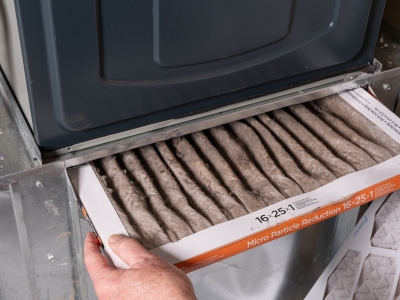
filterPreventing furnace overheating starts with maintaining proper airflow. A dirty furnace filter acts like a blockage in the duct system, trapping heat at the heat exchanger and forcing the blower to work harder. Regular furnace filter replacement—often every one to three months, depending on conditions—helps keep air moving freely and allows the system to shed heat as designed. Choosing a filter with the correct rating for the equipment is just as important as replacing it on schedule.

Scheduled furnace maintenance provides the second major line of defense. During a maintenance visit, a technician can:

  • Clean dust and debris from burners and blower components
  • Inspect the heat exchanger for cracks or hot spots
  • Check temperature rise and airflow levels
  • Test safety switches and electrical connections

These tasks help ensure that the system does not have to overwork or overheat to provide comfort. Keeping the area around the furnace clear of storage items further reduces fire risk and allows better ventilation around the cabinet. With consistent furnace maintenance and attentive filter care, most systems can operate safely through many heating seasons without encountering serious overheat problems.

About North Point Air Conditioning & Heating

North Point Air Conditioning & Heating is a trusted family-owned and operated HVAC company in Spring that’s been providing expert service and the latest technology for over 45 years. They are BBB-accredited, and their trusted technicians are NATE-certified, so customer satisfaction is guaranteed. Call them today for straightforward pricing when you schedule furnace repair in Spring, TX.

Knowing When a Thermostat Is Due for an Upgrade

Signs Thermostat Replacement Is Needed and the Benefits of Upgrading

The thermostat is the command center of a heating and cooling system, telling the equipment when to turn on, how long to run, and when to shut off. When it starts to malfunction or falls behind modern technology, comfort and energy efficiency often suffer. This post explains common signs that indicate thermostat replacement is needed, the benefits of installing a new unit, and why upgrading to a programmable thermostat or smart thermostat is usually more beneficial than sticking with a basic manual thermostat.

Common Signs to Replace the Thermostat

billsA failing thermostat can create a variety of frustrating problems. One obvious warning sign is a blank or unresponsive screen, which may prevent temperature adjustments altogether. Even if the display works, incorrect temperature readings are another clue that thermostat replacement should be considered. When the thermostat senses the wrong temperature, heating and cooling equipment cannot operate as intended, leading to rooms that feel too warm or too cold.

High energy bills without a clear explanation can also point to thermostat issues, especially if the HVAC system appears to run more often than usual. Short cycling—when the system turns on and off repeatedly in short bursts—is a common symptom of thermostat problems. The opposite issue can also occur: the system may run much longer than necessary because the thermostat never signals it to shut off.

Age is another important factor. Thermostats over 10 years old often lack modern features and may not control newer HVAC equipment as efficiently. When an older device begins to show any of these symptoms, scheduling thermostat installation for a new unit is often the most reliable solution.

Benefits of Replacing an Aging or Malfunctioning Thermostat

Replacing an outdated or malfunctioning thermostat can deliver benefits that go far beyond resolving annoying temperature swings. A properly functioning thermostat improves energy efficiency by matching HVAC operation more closely to actual comfort needs. When the system runs only as long as necessary, energy consumption typically drops, which can help lower utility bills over time.

More accurate temperature control also leads to better indoor comfort. Instead of hot and cold spots or constant adjustments, a new thermostat keeps temperatures closer to the desired setting. This consistency is especially noticeable in homes with multiple occupants or rooms that previously felt difficult to keep comfortable.

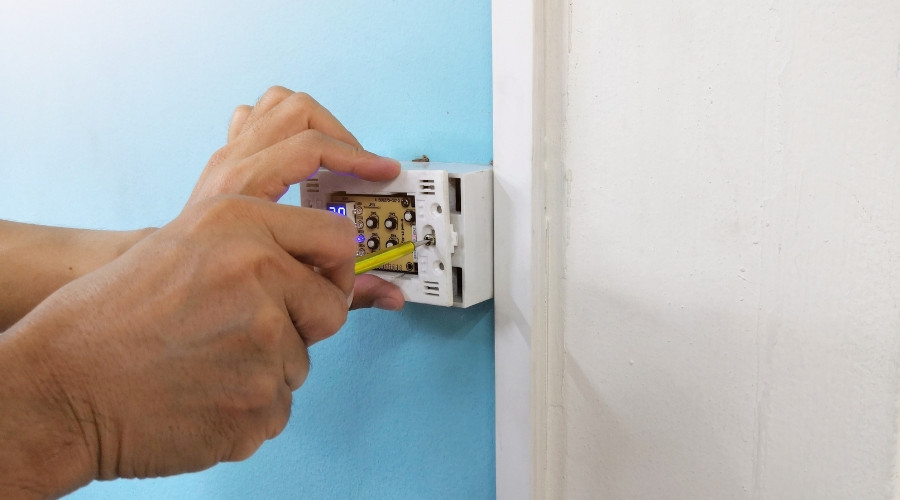
Thermostat replacement can also reduce strain on furnaces, air conditioners, and heat pumps. When equipment is not forced to short-cycle or run endlessly, wear and tear decreases, which may help extend system life and reduce repair frequency. Professional thermostat installation ensures that wiring, settings, and compatibility with the HVAC system are all handled correctly, allowing the new control to perform as designed from day one.

Why Upgrade to a Programmable or Smart Thermostat?

thermostatTraditional manual thermostat models require frequent hands‑on adjustments to change temperatures throughout the day. This often leads to inconsistent settings and missed opportunities for energy savings when no one is home or when everyone is asleep. Upgrading to a programmable thermostat or smart thermostat offers a more sophisticated approach to comfort and efficiency.

A programmable thermostat allows users to set different temperatures for various times of day and days of the week. Once the schedule is programmed, the thermostat automatically adjusts the temperature without ongoing manual changes. This makes it easier to reduce heating and cooling when the home is empty and bring temperatures back to a comfortable level before occupants return.

A smart thermostat takes these advantages further. Many models learn household patterns, adjust temperatures based on real‑time data, and can be controlled remotely through apps or home automation systems. Smart thermostat installation can provide detailed energy reports, reminders for filter changes, and integration with other smart devices. Compared to a basic manual thermostat, both programmable and smart thermostats offer greater convenience, better control, and stronger potential for energy savings when installed and used properly.

About North Point Air Conditioning & Heating

North Point Air Conditioning & Heating is a leading BBB-accredited HVAC company providing the latest technology and equipment in Spring and the surrounding areas. With NATE-certified technicians and straightforward pricing, customer satisfaction is guaranteed. Call them today for smart thermostat services in Spring, TX.

Distribution Links +

The Benefits of Maintaining the Heater

Why Schedule Annual Heating Maintenance?

Waiting for a frigid night to discover a furnace failure can be an expensive and stressful experience. Maintaining the heater through scheduled heating maintenance is essential for reliable warmth and for preventing surprise repair bills. A simple annual visit helps keep the heating system running efficiently and reduces the likelihood of mid-season breakdowns. This post provides an overview of how a proactive furnace maintenance plan improves efficiency, boosts reliability, and extends equipment life, including practical tips focused on filters and airflow.

Improved Efficiency and Lower Costs

save moneyRegular heater maintenance helps the heating system reach set temperatures with fewer, shorter cycles. When burners, heat exchangers, and blowers are clean and correctly adjusted, airflow improves and heat moves more easily through the home. Small tune‑ups—verifying temperature rise, checking safeties, and confirming proper fan settings—often add up to noticeable stability and better energy use.
Airflow starts with the filter. A clogged air filter or furnace filter causes the blower to work harder, resulting in increased run time and wear. Routine air filter replacement or furnace filter replacement restores steady airflow and helps maintain consistent supply temperatures at the registers. Filter checks should reflect actual conditions—pets, renovation dust, and lifestyle can shorten intervals—so planning a schedule that fits the space is key. Keeping returns and supply registers unobstructed further supports efficiency by letting treated air circulate freely.

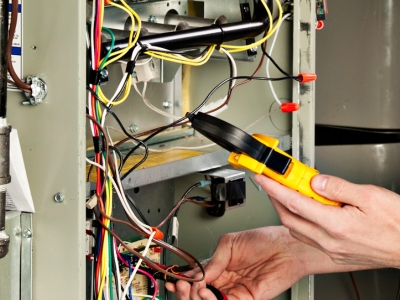
Technicians also look for subtle efficiency losses that a glance might miss, such as loose terminals, slow blower motors, or leaky connections that let warmed air escape. Sealing small duct gaps, cleaning burners, and verifying control settings are straightforward steps with outsized impact. A comprehensive heating system maintenance visit aligns all these details, ensuring the furnace doesn’t overwork to meet demand and leading to lower operating costs over time.

More Reliable With Fewer Repairs

heaterUnexpected outages rarely happen without warning; they appear when minor issues go unnoticed. A fall heating maintenance appointment gives a professional the chance to catch wear before it interrupts heat on the coldest nights. Common findings include weak igniters, dirty flame sensors, worn belts, and aged capacitors—each a small fault that can grow into a bigger repair if left in place.

Reliability also depends on safety and control sequences. Limit switches, pressure switches, and other safeties must trip and reset properly to keep the cycle smooth and safe. When these parts are out of alignment, short cycling, lockouts, or nuisance shutdowns can follow. By resolving small problems in advance, emergency calls become far less likely. In most cases, the cost of seasonal heating system maintenance is modest compared to the price and disruption of after‑hours repairs during a severe cold snap.

Filters influence reliability as well as efficiency. Neglected filters strain blowers and heat exchangers, which can lead to premature component failures. Building a habit around air filter replacement and furnace filter replacement—paired with a thorough furnace maintenance checklist—creates a stable operating environment where parts last longer and service visits become more predictable.

Longer Lifespan

Heating equipment lasts longer when stress is minimized. Dust, heat, and vibration all contribute to wear; furnace maintenance counters those forces by cleaning heat‑transfer surfaces, lubricating moving parts where applicable, and tightening electrical connections. Correct airflow—achieved through clean filters and clear returns—keeps internal temperatures within design limits, protecting blowers and heat exchangers from unnecessary strain.

Preventive care also reduces the domino effect that turns one small issue into several larger ones. Replacing an inexpensive component before it fails protects other, costlier parts from damage. Over time, this approach delays the need for system replacement and allows planning for upgrades on a preferred schedule. For aging units that still operate safely, ongoing heater maintenance helps preserve comfort while buying valuable time to evaluate future options.

Filter strategy plays a role in longevity, too. An air filter or furnace filter that is replaced on schedule prevents heat buildup, keeps ducts cleaner, and supports healthy airflow. Whether using standard media or high‑efficiency cartridges, matching the filter to the system and environment—and sticking to a realistic replacement interval—pays off in reduced wear. Combined with consistent heating maintenance, these habits help a furnace reach its full service life with fewer surprises.

About North Point Air Conditioning & Heating

North Point Air Conditioning & Heating is a trusted family-owned and operated HVAC company providing expert service to the communities of Spring, TX, and the surrounding areas. They offer flat-rate pricing and the latest technology and equipment, so call them today for heater repair and maintenance in Spring, TX.

Distribution Links +

The Benefits of Maintaining Ideal Humidity at Home

Humidity, Dehumidifier, and Humidifier Basics to Know

Achieving the ideal humidity level in a home is more than a comfort upgrade. Dry, scratchy throats in winter or a stuffy, damp feeling in summer often trace back to indoor humidity imbalances. The right moisture balance can elevate indoor air quality and support overall household wellness. With targeted solutions like a humidifier or dehumidifier, a living space can feel balanced and healthy. Explore simple ways to improve the indoor environment and breathe easier year-round.

Why Does Humidity Level Matter?

air qualityMaintaining proper humidity supports a healthier, more comfortable living space. When humidity sits in a balanced range, the home and its occupants benefit from steadier comfort and improved indoor air quality. This equilibrium helps prevent the issues associated with air that’s overly dry or overly moist.
Effective humidity control can also safeguard wood furniture, floors, and musical instruments from cracking or warping. Stable moisture levels help the body regulate temperature more comfortably throughout the seasons, making daily life more pleasant. Thoughtful use of a whole-home humidifier or whole-house dehumidifier can make this balance easier to maintain.

Balanced relative humidity creates less favorable conditions for dust mites, mold, and bacteria that thrive when air is extreme in either direction. The skin and hair often retain moisture more effectively, while static electricity becomes less of a nuisance. Whether through a humidifier, dehumidifier, or both, consistent humidity management plays a key role in overall comfort.

Dehumidifier Installation

Excess moisture often signals the need for dehumidifier installation to reclaim healthy indoor conditions. Telltale signs include recurring condensation on windows and mirrors, as well as a persistent musty odor that points to trapped moisture. Visible mold or mildew on walls, ceilings, or around fixtures indicates that humidity has been elevated for some time and warrants prompt attention.

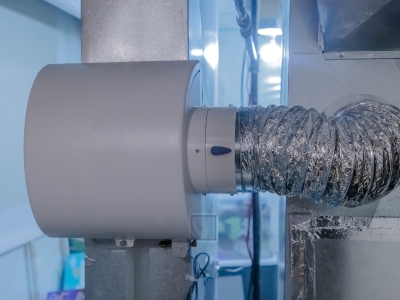
Installing a whole-home dehumidifier or whole-house dehumidifier offers comprehensive moisture control across all rooms rather than addressing one area at a time. These systems integrate with existing HVAC equipment to help maintain consistent humidity levels as seasons change. A professional setup ensures proper airflow, drainage, and controls so the system can manage elevated moisture efficiently.

Addressing humidity issues quickly can prevent structural concerns and limit the conditions that lead to mold. Proactive dehumidifier installation supports healthier indoor air quality and a more comfortable home environment.

Humidifier Installation

humidifierFrequent static shocks, tight or itchy skin, and chapped lips are classic signs that the air is too dry—often making humidifier installation the next logical step. During colder months, heated air commonly loses moisture, creating discomfort and irritation. Wood floors and furniture may begin to separate or crack, and houseplants can struggle even with adequate light and water.

A whole home humidifier or whole house humidifier delivers consistent moisture through the existing HVAC system, unlike portable units that require frequent refilling and maintenance. Professional humidifier installation promotes proper integration and control, helping maintain steady humidity levels with minimal effort. With balanced humidity, indoor comfort improves, and many households find that spaces feel warmer at the same thermostat setting.

A carefully selected humidifier can be a straightforward solution for dryness-related problems while contributing to better indoor air quality and overall comfort throughout the home.

Call North Point Air Conditioning & Heating

North Point Air Conditioning & Heating is a top-notch heating and cooling service company in Spring, TX, and the surrounding areas. They offer straightforward pricing, trustworthy technicians, and the latest technology. Call them today to schedule indoor air quality services in Spring, TX.

Distribution Links +

Going Back to School With Important Air Conditioning Basics

Important Air Conditioning Basics to Know

This post is a quick primer on staying cool efficiently. Whether a home relies on a central air conditioning system or a ductless mini split air conditioner, a few informed habits improve comfort, lower energy use, and support dependable performance. The sections below outline practical tips for spotting problems early, scheduling AC maintenance wisely, and selecting air conditioning equipment that suits the space and budget.

Choosing the Right Solution

ac

  • Central air conditioning system: A strong fit for larger homes or buildings with existing ductwork. For additions or layout changes, consider zone cooling with ductless mini splits to tailor temperatures by area.
  • Ductless mini split: Ideal for retrofits, sunrooms, garages, or expansions without ducts. A ductless mini split system provides targeted comfort, flexible placement, and more efficient operation.
  • Hybrid approaches: Many properties combine a central air conditioner for baseline cooling with a ductless mini-split in hard-to-cool rooms or additions, delivering comfort where traditional ducting is impractical.

Signs an AC Unit Needs Repair

Cooling equipment often provides clear signals when AC repair is needed—addressing issues early helps prevent larger breakdowns.

  • Unusual noises: Grinding, squealing, or banging are strong indicators that air conditioner repair and a professional diagnosis are due.
  • Weak airflow: Blocked returns, a failing blower, or a clogged filter can restrict circulation.
  • Uneven temperatures: Inconsistent cooling may point to refrigerant or thermostat problems that require attention.
  • Rising energy bills: Higher costs without increased usage suggest the central AC system or ductless mini split system is working harder than normal.
  • Musty or electrical odors: Smells from vents can be associated with moisture, wiring, or motor issues.
  • Short cycling: When a central air conditioner switches on and off frequently, comfort drops and components are stressed.
  • Moisture or ice: Water around the air handler or ice on lines is often tied to drainage or refrigerant concerns and should be addressed promptly during AC repair.

In spaces with recurring hot spots, a ductless mini split can target problem areas, while a central air conditioner may benefit from airflow balancing, zoning, or focused air conditioner maintenance.

The Importance of Maintenance

filterRoutine AC maintenance helps systems run smoothly through heat waves and reduces surprise service calls. Many homes and light commercial spaces see better efficiency and fewer repair visits when maintenance is scheduled before peak cooling season.

A thorough air conditioner maintenance visit often includes:

  • Cleaning evaporator and condenser coils for proper heat transfer
  • Verifying refrigerant levels and pressures
  • Inspecting electrical connections, contactors, and safety controls
  • Calibrating thermostats and confirming accurate readings
  • Examining ductwork for leaks and verifying airflow
  • Clearing condensate drains to prevent water damage

Between professional visits, simple steps make a big difference:

  • Air filter replacement every 1–3 months maintains airflow and indoor air quality. A dirty air filter makes both a central
  • Keep outdoor equipment clear of leaves and debris for proper airflow.
  • For a ductless mini split, gently clean return screens per manufacturer guidance.
  • Don’t ignore early warning signs—timely air conditioner maintenance helps avoid emergency air conditioner repair during the hottest days.

With consistent AC maintenance, smart controls, and timely air filter replacement, either system type can deliver reliable comfort and efficiency throughout the cooling season.

About North Point Air Conditioning & Heating

North Point Air Conditioning & Heating is a family-owned HVAC company proudly serving Spring and the surrounding communities. Call today for trustworthy technicians, straightforward pricing, and the latest technology. Call them for air conditioning services in Spring, TX.

Distribution Links +

Refrigerant Explained

Refrigerant and Signs of Refrigerant Issues

Refrigerant plays a critical role in HVAC operation by enabling consistent indoor cooling. Understanding the basic function of this substance helps explain many common performance issues in air conditioning systems. With the right knowledge, HVAC efficiency improves, and unexpected breakdowns become less likely. Exploring refrigerant-related concerns also supports more informed maintenance and repair decisions.

How Refrigerant Works in an Air Conditioning System

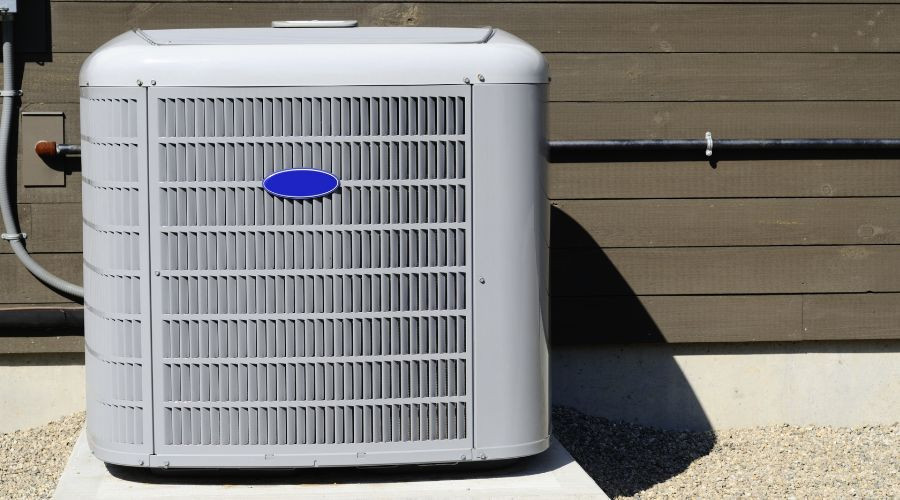
Refrigerant acts as the primary medium for heat exchange in air conditioning systems. This chemical absorbs heat from indoor air and releases it outside, completing a closed-loop cycle that allows cooling to take place. During this process, the refrigerant changes states between liquid and gas while moving through various system components.

The cycle begins when indoor air passes over evaporator coils filled with cold refrigerant, which absorbs the heat and evaporates into a gas. That gas travels to the compressor, where pressure increases significantly, and then moves to the condenser coils in the outdoor unit. Heat is released to the outside environment as the refrigerant condenses back into a liquid. The cycle completes when the liquid passes through an expansion valve and returns to the evaporator to begin again.

Signs of a Refrigerant Leak or Overcharged Refrigerant

hot at homeCooling systems with low refrigerant often produce warm air and struggle to lower indoor temperatures efficiently. Extended run times and delayed cooling performance commonly result from leaks that reduce refrigerant levels. Ice buildup on evaporator coils and bubbling or hissing sounds near the outdoor unit signal possible refrigerant loss.

Excess refrigerant creates similar problems. Overcharged systems experience reduced efficiency, strange noises, and uneven cooling, much like undercharged systems. Both conditions strain the compressor and interfere with normal heat exchange, often causing ice formation and premature wear. Professional technicians use pressure readings and manufacturer benchmarks to identify whether refrigerant levels fall outside the recommended range.

How to Avoid Refrigerant Issues

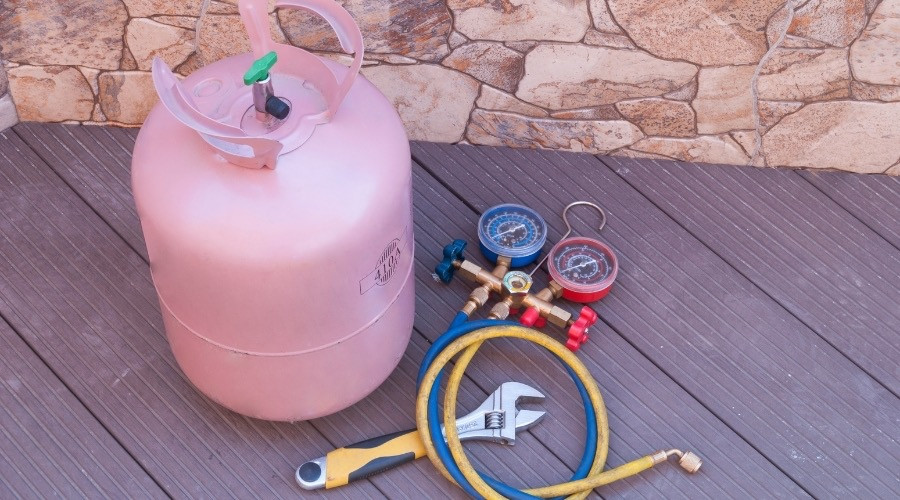
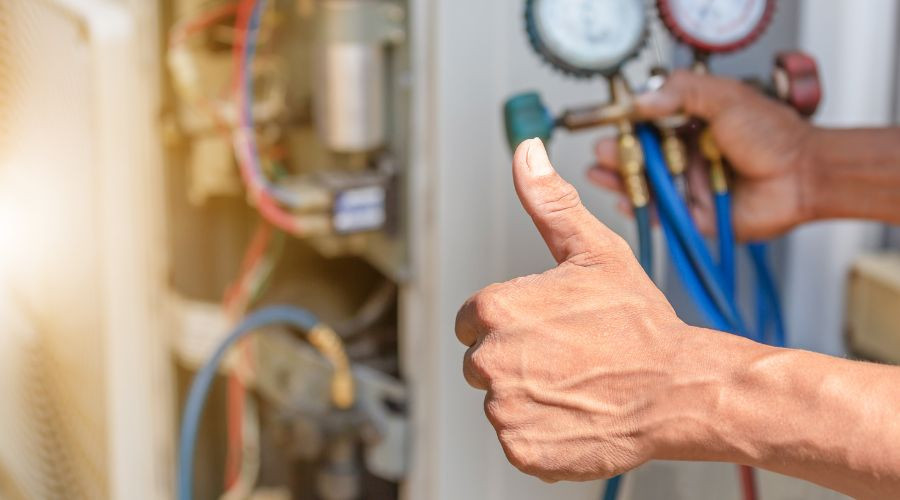
refrigerantImproper refrigerant levels, whether too high or too low, place stress on HVAC components and lead to long-term damage. Technicians prevent these issues through accurate measurement and gradual adjustments based on system requirements. Tools like pressure gauges and recovery systems ensure proper charging while protecting equipment warranties.

Routine service also includes leak detection and inspection of key components such as coils and valves. These evaluations reveal hidden issues like seal deterioration or corrosion that frequently cause refrigerant loss. Scheduled maintenance reduces the likelihood of unexpected failures and supports consistent system performance.

Coil cleaning during service appointments minimizes pressure buildup and ensures efficient refrigerant circulation. Clean coils reduce stress on the system and extend its operating lifespan. According to Energy Star, regular HVAC maintenance can significantly increase system life. Investment in professional care typically costs less than major refrigerant-related repairs and offers long-term energy savings.

About North Point Air Conditioning & Heating

In business since 1977, North Point Air Conditioning & Heating has more than 40 years of reliable HVAC services in Spring, TX, and the Greater Houston Area. They offer straightforward pricing, trustworthy technicians, and a 100% satisfaction guarantee. Call them today for AC refrigerant leak repair in Spring, TX.

Distribution Links +

A Guide to Air Conditioner Repair and Common Issues

Identifying AC Problems and How Homeowners May Be Able to Solve Them

Air conditioner repair plays a crucial role in maintaining indoor comfort during periods of excessive heat. Unexpected breakdowns can disrupt routines and lead to uncomfortable living conditions. This post will discuss signs that indicate air conditioner repair is needed, common AC issues, and steps people can take before calling for repair to see if they resolve the issue.

Signs AC Repair Is Needed

hot at homeUnusual sounds, such as grinding, squealing, or banging, often indicate mechanical problems within an AC system. These noises frequently point to worn parts, loose connections, or failing motors, all of which can lead to serious damage if not corrected quickly. 

Weak cooling performance can also signal significant internal issues. Continuous operation without achieving the desired temperature often suggests refrigerant loss, dirty coils, or compressor failure. Airflow that feels warm instead of cool ranks among the most immediate signs of a struggling unit.

Poor airflow and elevated energy costs often highlight system inefficiencies. Obstructed ducts, clogged filters, and deteriorating blower motors force the system to work harder while producing less effective results. Frequent on-off cycling, moisture buildup, and odd smells further indicate deeper operational concerns.

Common AC Problems

filterDirty air filters are among the most frequent causes of air conditioning trouble. Restricted airflow due to clogged filters forces the system to expend more energy, leading to higher utility bills and shortened equipment lifespan. Regular filter changes contribute significantly to efficiency.

Contaminated coils reduce the effectiveness of heat transfer within an AC unit. Dust and grime on evaporator and condenser coils diminish cooling power and can decrease overall performance by a notable percentage. Scheduled cleaning helps restore proper thermal exchange and prolongs system health.

Refrigerant leaks prevent the unit from absorbing heat adequately, resulting in subpar indoor temperatures. Thermostat failures, including incorrect calibration or sensor issues, create uneven cooling and may cause the system to turn on and off at irregular intervals. These conditions typically require professional evaluation to resolve.

Things Homeowners Can Try Before Calling for Repair

Several basic maintenance tasks can address common air conditioning issues without requiring immediate service calls. These steps are accessible and often resolve minor malfunctions. Starting with simple inspections may prevent unnecessary repair expenses.

Filter replacement is a critical first step. A dirty or clogged filter should be swapped out to improve airflow and reduce strain on the system. Depending on environmental conditions and usage levels, this task should typically be performed every one to three months.

Thermostat settings must be verified to ensure proper cooling mode and appropriate temperature. Dimming displays or blank screens may indicate low battery power, which can be easily corrected. This small adjustment accounts for a significant portion of resolved service calls.

Checking the home’s electrical panel for tripped breakers can restore power to a non-functional unit. A quick walkthrough to ensure vents are unobstructed also supports better airflow and distribution. If cooling performance remains inadequate after these measures, professional attention is likely necessary to prevent further damage.

About North Point Air Conditioning & Heating

With over 45 years of family-owned business, North Point Air Conditioning & Heating has provided top-notch air conditioner and heating services to Spring, TX, and beyond. They offer customer-first service, straightforward pricing, and a 100% Satisfaction Guaranteed. Call them for air conditioning repair and maintenance services in Spring, TX.

The Importance of Air Conditioning Maintenance

Why Schedule AC Maintenance This Spring?

Scheduling regular air conditioner maintenance helps homeowners keep their systems running smoothly and efficiently throughout the year. Spring is the ideal time for homeowners to schedule air conditioning maintenance. Before the summer heat hits, ensuring the AC system is in top-notch condition is essential for avoiding malfunctions during peak operation. By planning maintenance, homeowners can ensure their systems are ready to handle the demands of the warmer months.

Benefits of Annual Maintenance

save moneyA commitment toannual air conditioner maintenance offers several significant benefits, which can greatly enhance the functionality and efficiency of the system. Here’s why it’s essential:

  • More Energy Efficiency Performance: Regular maintenance helps maintain the air conditioning system at peak efficiency. Clean and well-maintained components use less energy to cool the home effectively.
  • Lower Energy Bills: An efficiently operating AC system reduces energy consumption, lowering monthly energy bills. The savings from improved efficiency often offset the cost of regular maintenance over time.
  • Fewer Issues and Repairs: Identifying and fixing small issues early prevents them from escalating into bigger, more costly problems. Regular maintenance reduces the frequency and cost of air conditioner repair over the system’s lifespan.
  • Longer Lifespan for the Air Conditioner: Routine maintenance reduces wear and tear on the system, helping extend its lifespan and delaying the need for an air conditioner replacement.

Adopting a proactive maintenance approach significantly contributes to system efficiency, reliability, and longevity, ensuring an uninterrupted cooling experience.

What Does AC Maintenance Entail?

acDuring a professional air conditioning maintenance visit, technicians perform a series of crucial tasks to ensure system reliability and efficiency. The process typically includes:

  • Performing a Thorough Inspection: This involves checking the entire system for any signs of wear, damage, or impending failure, ensuring all components are in good condition.
  • Cleaning the Evaporator and Condenser Coils: Dirt and debris on coils reduce the system’s ability to absorb and release heat effectively. Clean coils ensure the AC operates efficiently.
  • Checking the Thermostat: Verifying that the thermostat is calibrated and functioning correctly ensures accurate temperature control and prevents energy wastage.
  • Checking the Refrigerant Level: Proper refrigerant levels are essential for optimal cooling performance. Technicians will correct any deficiencies to maintain effective cooling.
  • Checking for Loose Electrical Connections and Tightening When Necessary: Ensuring electrical connections are secure prevents potential system failures and safety hazards, maintaining reliable operation.

Regular air conditioning maintenance is crucial for ensuring optimal performance, reducing energy costs, and extending the lifespan of the air conditioning system. Each of these steps contributes to the efficient and safe operation of the air conditioning system, minimizing the risk of unexpected failures.

How Often Is Maintenance Needed?

Professionals recommend scheduling air conditioning maintenance at least once a year, ideally in the spring. This timing ensures that systems are well-prepared for the increased demands of the summer season.

In addition to annual professional maintenance, homeowners should focus on regular air filter replacement, which is needed more frequently. Air filters should typically be replaced every three months to maintain indoor air quality and system efficiency.

Regular air filter replacement is vital for sustaining good airflow, reducing strain on the AC system, and preventing dust and allergens from circulating in the home. This simple step complements professional maintenance in promoting a healthy and efficient environment.

Overall, balancing both annual professional AC maintenance and regular air filter replacement is key to maintaining efficient, long-lasting cooling systems.

About North Point Air Conditioning & Heating

North Point Air Conditioning & Heating is a family-owned and operated business providing top-notch heating and cooling services for over four decades. They are not only BBB-accredited with an A+ rating, but also NATE-certified technicians. Call them for AC maintenance services in Spring, TX.

Distribution Links +

Signs Indicating the Need to Call for Air Duct Repair

How to Identify Damaged Ductwork

Repairing damaged or leaking air ducts is crucial for maintaining efficient heating and cooling performance and improving indoor air quality. So, if homeowners notice signs of damaged ductwork and air leaks in the ducts, they should call professionals for air duct repair. This post will share some common signs indicating duct repair is needed.

Excessive Dust in the Home or on Vents

ventIf the home seems to be constantly covered in dust despite regular cleaning, it could indicate leaking or damaged air ducts that need repair. When ductwork develops holes, cracks, or disconnected sections, dust and debris from unconditioned spaces, such as attics or crawl spaces, can be pulled directly into living areas, making them more dusty than usual. 

Visible dust accumulation around the vents can also signal ductwork that is damaged and has air leaks, allowing dust and contaminants to enter the home. Dust can also settle on furniture, floors, and other surfaces throughout a home, making cleaning feel like an endless battle.

Beyond the frustration of constant cleaning, compromised ductwork presents serious health concerns for your household. Circulating dust and contaminants can trigger or worsen respiratory conditions, including asthma and allergies. Homeowners may notice an improvement in breathing comfort for residents after professional duct repairs seal these unwanted entry points. 

Airflow Issues and Uneven Comfort

hot at homePoor airflow from vents and inconsistent temperatures throughout a home can also be signs that air duct repair is needed immediately. When the heating or AC system runs but certain rooms remain stubbornly hot or cold, damaged ductwork is often the culprit. Air leaks in the ventilation system allow heated or cooled air to escape before reaching its intended destination, creating inconsistent temperatures throughout different rooms and discomfort.

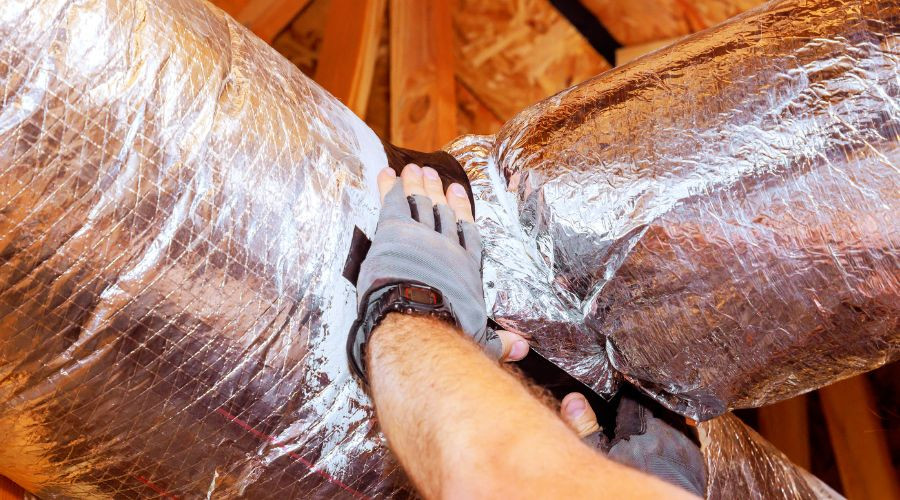
When ductwork is damaged and allows air to leak out before reaching the air vents, it can also create poor airflow from the vents. A professional air duct inspection can identify these hidden problems, enabling duct repairs to be made. Rather than continuing to adjust the thermostat to try to resolve these comfort issues, addressing the underlying ductwork issues will restore balanced airflow and consistent comfort to every room.

High Energy Bills

If homeowners have noticed an unexpected increase in utility bills despite consistent usage patterns, one possible cause is the ductwork. Air leaks and damaged air ducts can increase heating and cooling costs because when air escapes before reaching its intended destination, the heating or AC system must work harder to compensate for this air loss to try and reach the right temperature, driving up energy consumption and utility expenses. 

This energy waste creates a costly cycle and can lead to hundreds of dollars wasted annually. The financial impact becomes more pronounced during extreme weather. Temperature regulation becomes increasingly difficult as more conditioned air disappears into crawlspaces, attics, or between walls rather than circulating through living spaces. Once repaired, homeowners can save on monthly utility bills. 

About North Point Air Conditioning & Heating

North Point Air Conditioning & Heating has more than 40 years of experience serving the Spring community. They provide a customer-first approach, straightforward pricing, and a 100% satisfaction guarantee. Call them for ductwork repair and installation services in Spring, TX.

Distribution Links +