Going Back to School With Important Air Conditioning Basics

Important Air Conditioning Basics to Know

This post is a quick primer on staying cool efficiently. Whether a home relies on a central air conditioning system or a ductless mini split air conditioner, a few informed habits improve comfort, lower energy use, and support dependable performance. The sections below outline practical tips for spotting problems early, scheduling AC maintenance wisely, and selecting air conditioning equipment that suits the space and budget.

Choosing the Right Solution
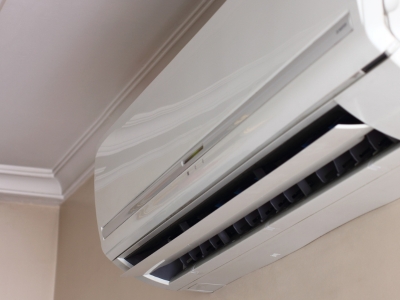
ac

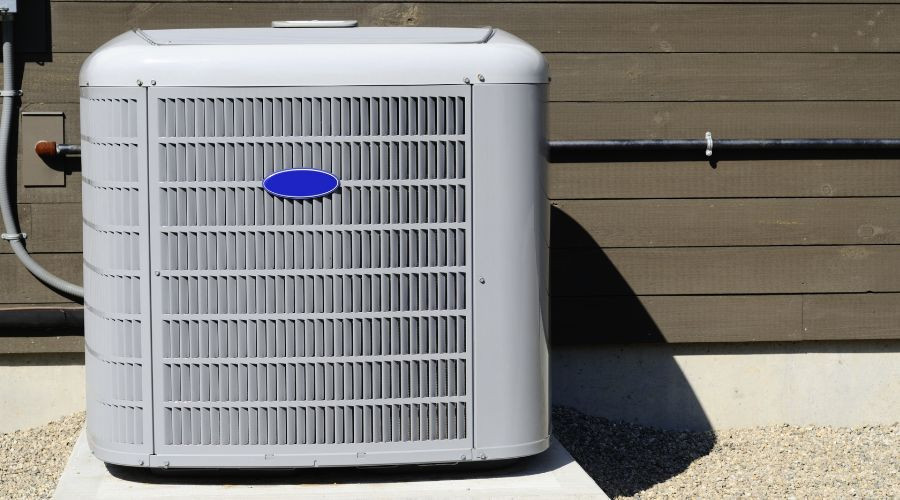
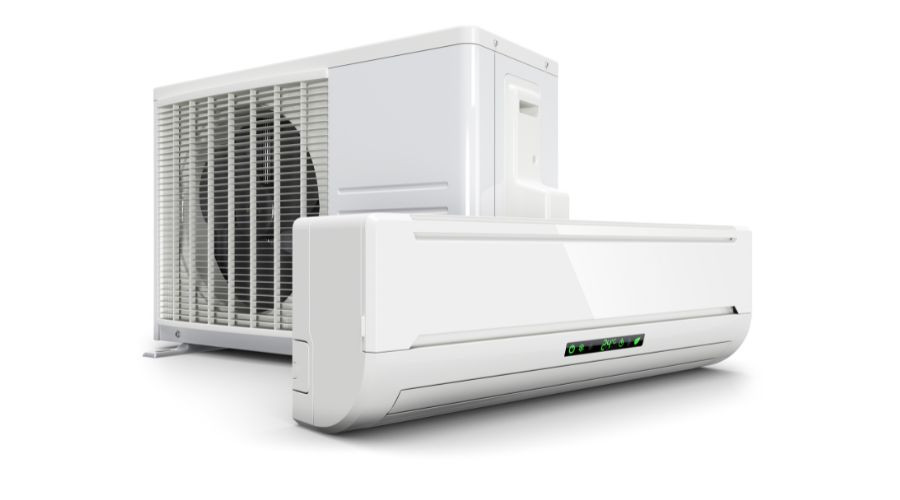
  • Central air conditioning system: A strong fit for larger homes or buildings with existing ductwork. For additions or layout changes, consider zone cooling with ductless mini splits to tailor temperatures by area.
  • Ductless mini split: Ideal for retrofits, sunrooms, garages, or expansions without ducts. A ductless mini split system provides targeted comfort, flexible placement, and more efficient operation.
  • Hybrid approaches: Many properties combine a central air conditioner for baseline cooling with a ductless mini-split in hard-to-cool rooms or additions, delivering comfort where traditional ducting is impractical.

Signs an AC Unit Needs Repair

Cooling equipment often provides clear signals when AC repair is needed—addressing issues early helps prevent larger breakdowns.

  • Unusual noises: Grinding, squealing, or banging are strong indicators that air conditioner repair and a professional diagnosis are due.
  • Weak airflow: Blocked returns, a failing blower, or a clogged filter can restrict circulation.
  • Uneven temperatures: Inconsistent cooling may point to refrigerant or thermostat problems that require attention.
  • Rising energy bills: Higher costs without increased usage suggest the central AC system or ductless mini split system is working harder than normal.
  • Musty or electrical odors: Smells from vents can be associated with moisture, wiring, or motor issues.
  • Short cycling: When a central air conditioner switches on and off frequently, comfort drops and components are stressed.
  • Moisture or ice: Water around the air handler or ice on lines is often tied to drainage or refrigerant concerns and should be addressed promptly during AC repair.

In spaces with recurring hot spots, a ductless mini split can target problem areas, while a central air conditioner may benefit from airflow balancing, zoning, or focused air conditioner maintenance.

The Importance of Maintenance

filter Routine AC maintenance helps systems run smoothly through heat waves and reduces surprise service calls. Many homes and light commercial spaces see better efficiency and fewer repair visits when maintenance is scheduled before peak cooling season.

A thorough air conditioner maintenance visit often includes:

  • Cleaning evaporator and condenser coils for proper heat transfer
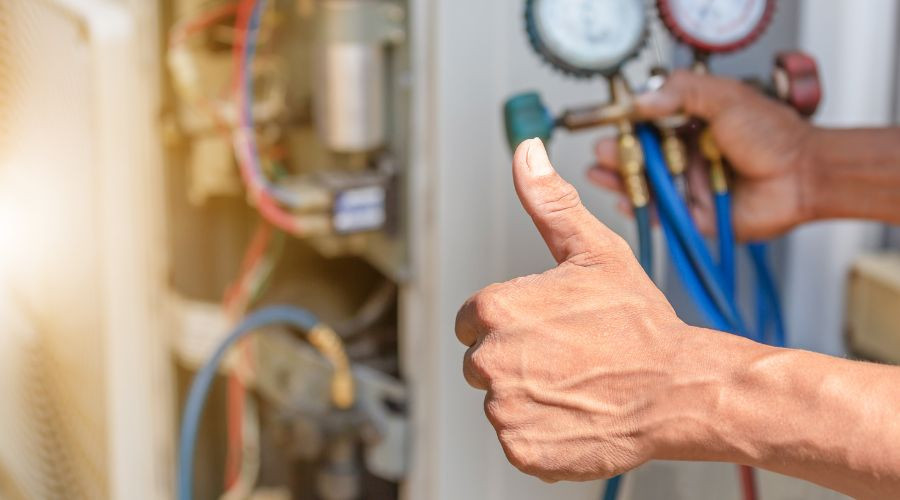
  • Verifying refrigerant levels and pressures
  • Inspecting electrical connections, contactors, and safety controls
  • Calibrating thermostats and confirming accurate readings
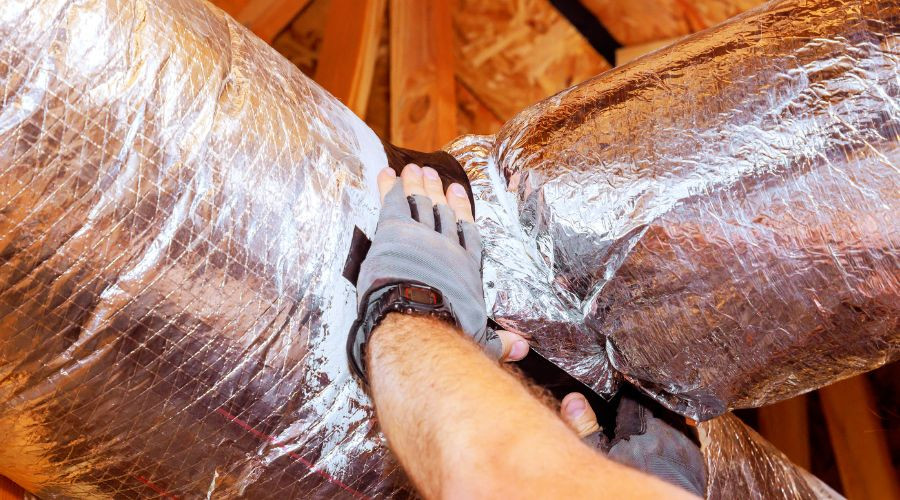
  • Examining ductwork for leaks and verifying airflow
  • Clearing condensate drains to prevent water damage

Between professional visits, simple steps make a big difference:

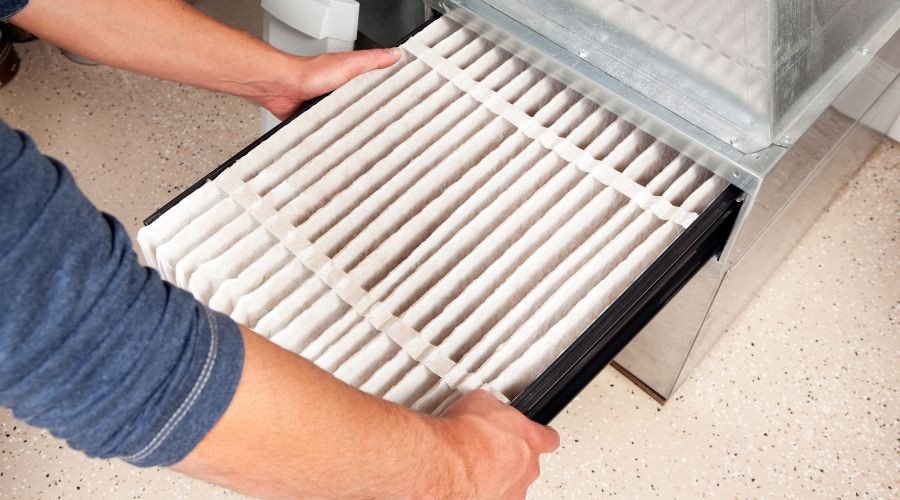
  • Air filter replacement every 1–3 months maintains airflow and indoor air quality. A dirty air filter makes both a central
  • Keep outdoor equipment clear of leaves and debris for proper airflow.
  • For a ductless mini split, gently clean return screens per manufacturer guidance.
  • Don’t ignore early warning signs—timely air conditioner maintenance helps avoid emergency air conditioner repair during the hottest days.

With consistent AC maintenance, smart controls, and timely air filter replacement, either system type can deliver reliable comfort and efficiency throughout the cooling season.

About North Point Air Conditioning & Heating

North Point Air Conditioning & Heating is a family-owned HVAC company proudly serving Spring and the surrounding communities. Call today for trustworthy technicians, straightforward pricing, and the latest technology. Call them for air conditioning services in Spring, TX.

Distribution Links +

Refrigerant Explained

Refrigerant and Signs of Refrigerant Issues

Refrigerant plays a critical role in HVAC operation by enabling consistent indoor cooling. Understanding the basic function of this substance helps explain many common performance issues in air conditioning systems. With the right knowledge, HVAC efficiency improves, and unexpected breakdowns become less likely. Exploring refrigerant-related concerns also supports more informed maintenance and repair decisions.

How Refrigerant Works in an Air Conditioning System

Refrigerant acts as the primary medium for heat exchange in air conditioning systems. This chemical absorbs heat from indoor air and releases it outside, completing a closed-loop cycle that allows cooling to take place. During this process, the refrigerant changes states between liquid and gas while moving through various system components.

The cycle begins when indoor air passes over evaporator coils filled with cold refrigerant, which absorbs the heat and evaporates into a gas. That gas travels to the compressor, where pressure increases significantly, and then moves to the condenser coils in the outdoor unit. Heat is released to the outside environment as the refrigerant condenses back into a liquid. The cycle completes when the liquid passes through an expansion valve and returns to the evaporator to begin again.

Signs of a Refrigerant Leak or Overcharged Refrigerant

hot at home Cooling systems with low refrigerant often produce warm air and struggle to lower indoor temperatures efficiently. Extended run times and delayed cooling performance commonly result from leaks that reduce refrigerant levels. Ice buildup on evaporator coils and bubbling or hissing sounds near the outdoor unit signal possible refrigerant loss.

Excess refrigerant creates similar problems. Overcharged systems experience reduced efficiency, strange noises, and uneven cooling, much like undercharged systems. Both conditions strain the compressor and interfere with normal heat exchange, often causing ice formation and premature wear. Professional technicians use pressure readings and manufacturer benchmarks to identify whether refrigerant levels fall outside the recommended range.

How to Avoid Refrigerant Issues

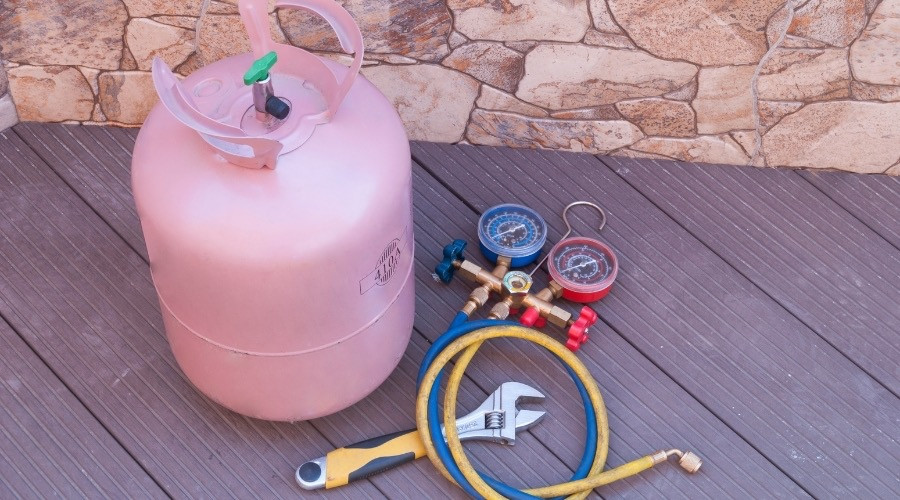
refrigerantImproper refrigerant levels, whether too high or too low, place stress on HVAC components and lead to long-term damage. Technicians prevent these issues through accurate measurement and gradual adjustments based on system requirements. Tools like pressure gauges and recovery systems ensure proper charging while protecting equipment warranties.

Routine service also includes leak detection and inspection of key components such as coils and valves. These evaluations reveal hidden issues like seal deterioration or corrosion that frequently cause refrigerant loss. Scheduled maintenance reduces the likelihood of unexpected failures and supports consistent system performance.

Coil cleaning during service appointments minimizes pressure buildup and ensures efficient refrigerant circulation. Clean coils reduce stress on the system and extend its operating lifespan. According to Energy Star, regular HVAC maintenance can significantly increase system life. Investment in professional care typically costs less than major refrigerant-related repairs and offers long-term energy savings.

About North Point Air Conditioning & Heating

In business since 1977, North Point Air Conditioning & Heating has more than 40 years of reliable HVAC services in Spring, TX, and the Greater Houston Area. They offer straightforward pricing, trustworthy technicians, and a 100% satisfaction guarantee. Call them today for AC refrigerant leak repair in Spring, TX.

Distribution Links +

A Guide to Air Conditioner Repair and Common Issues

Identifying AC Problems and How Homeowners May Be Able to Solve Them

Air conditioner repair plays a crucial role in maintaining indoor comfort during periods of excessive heat. Unexpected breakdowns can disrupt routines and lead to uncomfortable living conditions. This post will discuss signs that indicate air conditioner repair is needed, common AC issues, and steps people can take before calling for repair to see if they resolve the issue.

Signs AC Repair Is Needed

hot at home Unusual sounds, such as grinding, squealing, or banging, often indicate mechanical problems within an AC system. These noises frequently point to worn parts, loose connections, or failing motors, all of which can lead to serious damage if not corrected quickly. 

Weak cooling performance can also signal significant internal issues. Continuous operation without achieving the desired temperature often suggests refrigerant loss, dirty coils, or compressor failure. Airflow that feels warm instead of cool ranks among the most immediate signs of a struggling unit.

Poor airflow and elevated energy costs often highlight system inefficiencies. Obstructed ducts, clogged filters, and deteriorating blower motors force the system to work harder while producing less effective results. Frequent on-off cycling, moisture buildup, and odd smells further indicate deeper operational concerns.

Common AC Problems

filterDirty air filters are among the most frequent causes of air conditioning trouble. Restricted airflow due to clogged filters forces the system to expend more energy, leading to higher utility bills and shortened equipment lifespan. Regular filter changes contribute significantly to efficiency.

Contaminated coils reduce the effectiveness of heat transfer within an AC unit. Dust and grime on evaporator and condenser coils diminish cooling power and can decrease overall performance by a notable percentage. Scheduled cleaning helps restore proper thermal exchange and prolongs system health.

Refrigerant leaks prevent the unit from absorbing heat adequately, resulting in subpar indoor temperatures. Thermostat failures, including incorrect calibration or sensor issues, create uneven cooling and may cause the system to turn on and off at irregular intervals. These conditions typically require professional evaluation to resolve.

Things Homeowners Can Try Before Calling for Repair

Several basic maintenance tasks can address common air conditioning issues without requiring immediate service calls. These steps are accessible and often resolve minor malfunctions. Starting with simple inspections may prevent unnecessary repair expenses.

Filter replacement is a critical first step. A dirty or clogged filter should be swapped out to improve airflow and reduce strain on the system. Depending on environmental conditions and usage levels, this task should typically be performed every one to three months.

Thermostat settings must be verified to ensure proper cooling mode and appropriate temperature. Dimming displays or blank screens may indicate low battery power, which can be easily corrected. This small adjustment accounts for a significant portion of resolved service calls.

Checking the home’s electrical panel for tripped breakers can restore power to a non-functional unit. A quick walkthrough to ensure vents are unobstructed also supports better airflow and distribution. If cooling performance remains inadequate after these measures, professional attention is likely necessary to prevent further damage.

About North Point Air Conditioning & Heating

With over 45 years of family-owned business, North Point Air Conditioning & Heating has provided top-notch air conditioner and heating services to Spring, TX, and beyond. They offer customer-first service, straightforward pricing, and a 100% Satisfaction Guaranteed. Call them for air conditioning repair and maintenance services in Spring, TX.

The Importance of Air Conditioning Maintenance

Why Schedule AC Maintenance This Spring?

Scheduling regular air conditioner maintenance helps homeowners keep their systems running smoothly and efficiently throughout the year. Spring is the ideal time for homeowners to schedule air conditioning maintenance. Before the summer heat hits, ensuring the AC system is in top-notch condition is essential for avoiding malfunctions during peak operation. By planning maintenance, homeowners can ensure their systems are ready to handle the demands of the warmer months.

Benefits of Annual Maintenance

save money A commitment to annual air conditioner maintenance offers several significant benefits, which can greatly enhance the functionality and efficiency of the system. Here’s why it’s essential:

  • More Energy Efficiency Performance: Regular maintenance helps maintain the air conditioning system at peak efficiency. Clean and well-maintained components use less energy to cool the home effectively.
  • Lower Energy Bills: An efficiently operating AC system reduces energy consumption, lowering monthly energy bills. The savings from improved efficiency often offset the cost of regular maintenance over time.
  • Fewer Issues and Repairs: Identifying and fixing small issues early prevents them from escalating into bigger, more costly problems. Regular maintenance reduces the frequency and cost of air conditioner repair over the system’s lifespan.
  • Longer Lifespan for the Air Conditioner: Routine maintenance reduces wear and tear on the system, helping extend its lifespan and delaying the need for an air conditioner replacement.

Adopting a proactive maintenance approach significantly contributes to system efficiency, reliability, and longevity, ensuring an uninterrupted cooling experience.

What Does AC Maintenance Entail?

acDuring a professional air conditioning maintenance visit, technicians perform a series of crucial tasks to ensure system reliability and efficiency. The process typically includes:

  • Performing a Thorough Inspection: This involves checking the entire system for any signs of wear, damage, or impending failure, ensuring all components are in good condition.
  • Cleaning the Evaporator and Condenser Coils: Dirt and debris on coils reduce the system’s ability to absorb and release heat effectively. Clean coils ensure the AC operates efficiently.
  • Checking the Thermostat: Verifying that the thermostat is calibrated and functioning correctly ensures accurate temperature control and prevents energy wastage.
  • Checking the Refrigerant Level: Proper refrigerant levels are essential for optimal cooling performance. Technicians will correct any deficiencies to maintain effective cooling.
  • Checking for Loose Electrical Connections and Tightening When Necessary: Ensuring electrical connections are secure prevents potential system failures and safety hazards, maintaining reliable operation.

Regular air conditioning maintenance is crucial for ensuring optimal performance, reducing energy costs, and extending the lifespan of the air conditioning system. Each of these steps contributes to the efficient and safe operation of the air conditioning system, minimizing the risk of unexpected failures.

How Often Is Maintenance Needed?

Professionals recommend scheduling air conditioning maintenance at least once a year, ideally in the spring. This timing ensures that systems are well-prepared for the increased demands of the summer season.

In addition to annual professional maintenance, homeowners should focus on regular air filter replacement, which is needed more frequently. Air filters should typically be replaced every three months to maintain indoor air quality and system efficiency.

Regular air filter replacement is vital for sustaining good airflow, reducing strain on the AC system, and preventing dust and allergens from circulating in the home. This simple step complements professional maintenance in promoting a healthy and efficient environment.

Overall, balancing both annual professional AC maintenance and regular air filter replacement is key to maintaining efficient, long-lasting cooling systems.

About North Point Air Conditioning & Heating

North Point Air Conditioning & Heating is a family-owned and operated business providing top-notch heating and cooling services for over four decades. They are not only BBB-accredited with an A+ rating, but also NATE-certified technicians. Call them for AC maintenance services in Spring, TX.

Distribution Links +

Signs Indicating the Need to Call for Air Duct Repair

How to Identify Damaged Ductwork

Repairing damaged or leaking air ducts is crucial for maintaining efficient heating and cooling performance and improving indoor air quality. So, if homeowners notice signs of damaged ductwork and air leaks in the ducts, they should call professionals for air duct repair. This post will share some common signs indicating duct repair is needed.

Excessive Dust in the Home or on Vents

vent If the home seems to be constantly covered in dust despite regular cleaning, it could indicate leaking or damaged air ducts that need repair. When ductwork develops holes, cracks, or disconnected sections, dust and debris from unconditioned spaces, such as attics or crawl spaces, can be pulled directly into living areas, making them more dusty than usual. 

Visible dust accumulation around the vents can also signal ductwork that is damaged and has air leaks, allowing dust and contaminants to enter the home. Dust can also settle on furniture, floors, and other surfaces throughout a home, making cleaning feel like an endless battle.

Beyond the frustration of constant cleaning, compromised ductwork presents serious health concerns for your household. Circulating dust and contaminants can trigger or worsen respiratory conditions, including asthma and allergies. Homeowners may notice an improvement in breathing comfort for residents after professional duct repairs seal these unwanted entry points. 

Airflow Issues and Uneven Comfort

hot at home Poor airflow from vents and inconsistent temperatures throughout a home can also be signs that air duct repair is needed immediately. When the heating or AC system runs but certain rooms remain stubbornly hot or cold, damaged ductwork is often the culprit. Air leaks in the ventilation system allow heated or cooled air to escape before reaching its intended destination, creating inconsistent temperatures throughout different rooms and discomfort.

When ductwork is damaged and allows air to leak out before reaching the air vents, it can also create poor airflow from the vents. A professional air duct inspection can identify these hidden problems, enabling duct repairs to be made. Rather than continuing to adjust the thermostat to try to resolve these comfort issues, addressing the underlying ductwork issues will restore balanced airflow and consistent comfort to every room.

High Energy Bills

If homeowners have noticed an unexpected increase in utility bills despite consistent usage patterns, one possible cause is the ductwork. Air leaks and damaged air ducts can increase heating and cooling costs because when air escapes before reaching its intended destination, the heating or AC system must work harder to compensate for this air loss to try and reach the right temperature, driving up energy consumption and utility expenses. 

This energy waste creates a costly cycle and can lead to hundreds of dollars wasted annually. The financial impact becomes more pronounced during extreme weather. Temperature regulation becomes increasingly difficult as more conditioned air disappears into crawlspaces, attics, or between walls rather than circulating through living spaces. Once repaired, homeowners can save on monthly utility bills. 

About North Point Air Conditioning & Heating

North Point Air Conditioning & Heating has more than 40 years of experience serving the Spring community. They provide a customer-first approach, straightforward pricing, and a 100% satisfaction guarantee. Call them for ductwork repair and installation services in Spring, TX.

Distribution Links +

Simple Ways to Save On Heating and Cooling Expenses

Save Money While Staying Comfortable

Easy ways to save on heating and cooling costs can transform monthly bills and comfort at home. Innovative techniques for boosting energy efficiency can work wonders for those frustrated with high energy expenses and chilly drafts. Expert advice offers significant savings while ensuring a warm, inviting home without compromise. These simple, powerful tips make any living space more energy-efficient and cozy.

Maintenance and Replacing Air Filters

Proper HVAC maintenance and timely air filter replacement can reduce heating and cooling costs by up to 15%. When air filters become clogged with dust and debris, the system works harder to circulate air, consuming more energy and increasing utility bills. Unfortunately, most homeowners overlook this simple fix.

Replacing the air filter every 1-3 months ensures optimal airflow, prevents the system from overworking, and leads to significant energy savings. In addition to cost savings, clean filters improve indoor air quality by trapping allergens, dust, and pet dander. Regular filter changes also reduce wear and tear on critical components, potentially extending the HVAC system’s lifespan by years. This preventative maintenance helps avoid costly emergency repairs during extreme weather when the system is most needed.

Scheduling annual professional maintenance delivers substantial long-term benefits. According to Energy Star, well-maintained HVAC systems can retain up to 95% of their original efficiency throughout their service life. During these visits, professional technicians clean coils, check refrigerant levels, and calibrate the thermostat. These tune-ups catch minor issues before they become expensive problems, saving an average of $30 per month on energy bills and preventing major repairs over $500.

Maintenance isn’t just about fixing problems—it’s about preventing them before they start. Regular upkeep ensures comfort and savings for years to come.

Utilize Ceiling Fans

fanCeiling fans are not just for cooling in the summer—they are powerful tools for reducing heating and cooling costs year-round. By changing the direction of the fan blades seasonally, homeowners can improve air circulation and maintain comfortable temperatures while adjusting the thermostat to save money. This small adjustment can make a significant difference.

During the summer, ceiling fans should rotate counterclockwise. This creates a downdraft that produces a wind-chill effect on the skin, making individuals feel cooler without lowering the room temperature. With this cooling sensation, the thermostat can be set 4-7 degrees higher without sacrificing comfort, potentially reducing cooling energy consumption by up to 30%. The breeze provides a refreshing effect.

In winter, switching the fan to rotate clockwise at a low speed helps push warm air that naturally rises to the ceiling back into the living space. This gentle updraft allows the thermostat to be lowered by 2-3 degrees while maintaining the same comfort level. Most modern ceiling fans feature a small direction switch on the motor housing, making seasonal adjustments quick and easy—a small effort for significant energy savings.

Install a Smart Thermostat

thermostatSmart thermostats are among the most efficient ways to minimize heating and cooling costs without compromising comfort. These clever devices learn your temperature preferences and automatically adjust settings to optimize energy use throughout your home. Most models pay for themselves within two years by lowering your utility bills. The benefits become clear when viewing real-time energy consumption data from your smartphone. Upgrading a programmable thermostat with smart features can yield substantial savings through precise temperature control. 

The U.S. Department of Energy estimates that homeowners can save about 10% annually on heating and cooling by using smart thermostats. These devices optimize energy use by maintaining comfortable temperatures only when needed and allow remote adjustments through mobile apps. Features like geofencing automatically adjust the HVAC system when you’re away, enhancing efficiency with minimal effort.

Many energy providers also provide $50 to $100 rebates for installing a smart thermostat. With user-friendly interfaces that deliver detailed energy reports, these devices help you spot even more opportunities to save energy while ensuring comfort and reducing unnecessary energy consumption.

Additional Energy-Saving Strategies

Incorporating weatherization measures, such as attic insulation, can significantly improve energy efficiency. Sealing gaps and adding insulation helps maintain a consistent temperature, keeping the home warmer in winter and cooler in summer. This reduces the strain on the HVAC system, ultimately lowering energy costs.

If the current system is outdated or inefficient, air conditioner installation should be considered. Installing a new, energy-efficient air conditioner can lower cooling expenses and enhance overall comfort.

Additional strategies include installing solar screens to block heat from entering the home, using LED lighting to decrease electricity consumption, and opting for LED lights, known for their long-lasting efficiency.

Homeowners can achieve substantial savings by integrating these solutions while ensuring year-round comfort.

About North Point Air Conditioning & Heating

North Point Air Conditioning & Heating has delivered trusted HVAC services in Anderson since 1977. As a family-owned and BBB-accredited business, they prioritize quality, integrity, and lasting comfort. Contact them for heating and cooling services in Anderson, TX

Signs the Heater May Need Repair

When to Call for Heater Repair

A well-functioning heater ensures comfort and safety during the colder months, but like any appliance, it may eventually experience issues that require attention. Recognizing the early warning signs of a failing heater can prevent unexpected breakdowns, costly repairs, and uncomfortable chilly nights.

Knowing when to call a professional for heater repair can be crucial in maintaining the efficiency and longevity of the heating system. Here are key situations that warrant a call to a professional HVAC technician:

High Utility Bills

bills Sudden spikes in utility bills can clearly signal that the heating system is not functioning efficiently. While seasonal changes can naturally lead to increased energy use, an unexpected rise in bills without a corresponding drop in temperature or increase in heating use suggests that there’s an underlying issue with the system leading to: 

  • Decreased Efficiency: Whether it’s due to a failing motor, blocked air filters, or duct leaks, decreased efficiency can result in greater energy consumption, reflected in higher utility costs.
  • System Overcompensation: If the heater struggles to deliver sufficient heat due to problems such as dirty coils, faulty burners, or thermostat issues, it may run longer and cycle more frequently than necessary. This overcompensation not only wears out parts faster but also dramatically increases energy usage.

A qualified HVAC technician can diagnose the problem, perform necessary repairs, and recommend strategies to improve system efficiency. This can ultimately save homeowners money and ensure a warm, comfortable home.

Unusual Sounds or Smells

bad smell Strange sounds and unfamiliar odors from the heating system are often early warning signs that something is amiss and should not be ignored. These unusual indicators can point to a range of issues that need professional diagnosis and repair.

  • Banging or Clanking: These noises often indicate that there may be loose or broken components inside the system, such as blower wheels or fan blades. 
  • Squealing or Screeching: High-pitched sounds are commonly associated with problems in the blower motor or fan belt, such as lack of lubrication or alignment issues. 
  • Rattling: Rattling noises can indicate loose ducts, panels, or foreign objects caught in the system.
  • Burning Odors: While an occasional dusty smell may arise when homeowners first turn on the heater for the season, persistent burning odors can signal more serious issues, such as overheating components, electrical problems, or a failing motor. 
  • Rotten Egg Smell: A sulfur-like odor reminiscent of rotten eggs could indicate a natural gas leak. If homeowners detect this smell, turn off the heating system, exit the premises immediately, and contact their gas company and a professional technician for emergency service.
  • Musty or Mildew Smell: Persistent musty odors can be a sign of mold or mildew buildup within the system or ductwork. This not only reduces indoor air quality but can also lead to health concerns.

Promptly consulting with an HVAC professional when these issues arise will help maintain optimal performance, extend the life of the system, and keep the home both comfortable and safe.

Issues With Heating

When a home struggles to reach the desired temperature despite its thermostat settings, this is a clear indication that the heating system requires professional attention. Insufficient heating often manifests as rooms that never quite warm up enough, noticeable temperature variations between different areas of the home, a system that runs continuously without achieving comfort, or a complete lack of heating. These symptoms typically can point to underlying issues, such as a malfunctioning thermostat, clogged filters restricting airflow, failing heating elements, compromised ductwork, an improperly sized system for your space, and more.

A professional HVAC technician can conduct a comprehensive diagnostic assessment to identify the specific cause of a household’s heating issues, whether it’s a simple maintenance issue or a more complex mechanical failure requiring repair or replacement. Addressing these problems promptly not only restores comfort but prevents the excessive energy consumption and accelerated system wear that accompanies a struggling heating system.

About North Point Air Conditioning & Heating

North Point Air Conditioning & Heating is proud to boast an A+ rating from the Better Business Bureau. They offer flat-rate pricing to ensure there is no confusion on the bill after the work. Contact them today for reliable heater repair services in Spring, TX.

Why You Should Install a Ductless Mini Split System

Advantages of Upgrading to a Mini Split System

The start of a new year often brings plans for home improvements, especially upgrades that increase energy efficiency and save money. Among these, ductless mini-split systems stand out as an excellent investment when homeowners need to install a new heating and cooling system. 

Not only can these systems qualify for tax credits and rebates, but they also help homeowners reduce energy usage and costs throughout the year. If homeowners are considering an air conditioning and heating system installation, here’s a closer look at why a ductless mini-split system is beneficial.

Save Money on Energy Bills

save money Traditional forced air central heating and cooling systems have two significant efficiency challenges:

  1. Energy loss in ductwork: Ductwork can account for over 30% of energy losses in a typical HVAC system. Leaks and poor insulation worsen this problem, as conditioned air escapes before reaching its destination. Ductless mini splits eliminate this issue entirely by operating without ductwork, delivering conditioned air directly to each zone.
  2. Heating and cooling unoccupied spaces: Central air systems heat or cool the entire home simultaneously, regardless of whether all rooms are in use. Mini split systems, however, offer zoning capabilities, allowing homeowners to control the temperature in individual rooms. This means energy isn’t wasted on unoccupied areas, leading to more savings on energy bills.

Quicker and Easier Installation

Unlike central air systems that require extensive ductwork, ductless mini-split systems are far easier and faster to install. Instead of running bulky air ducts behind walls, floors, or ceilings, mini splits use small copper lines and a power cord to connect the indoor units to an outdoor unit, making them quicker and easier to install than systems requiring ducts.

This simplicity in installation and lack of ductwork offers a significant advantage for:

  • Older homes without the space for ductwork.
  • Additions or renovations where extending existing ductwork isn’t practical.
  • Outbuildings, garages, or other unique spaces that need efficient heating and cooling.

With minimal disruption to the home, ductless mini splits provide a convenient solution for upgrading comfort in any space.

Zoned Heating and Cooling for Better Comfort

mini split One of the standout features of ductless mini split AC and heating systems is their ability to create customizable temperature zones. Each indoor unit independently controls the temperature of its designated zone, offering homeowners greater flexibility and control over home comfort.

This zoning capability provides two key benefits:

  1. Energy savings: Unoccupied rooms can be kept at minimal heating or cooling levels while occupied areas remain comfortable, reducing energy use and costs.
  2. Personalized comfort: Each family member can adjust the temperature in their space to suit their preferences. Whether someone likes their bedroom cooler or the living room warmer, there’s no need to compromise or argue over thermostat settings.

With a ductless mini-split system, homeowners can enjoy both comfort and efficiency.

About North Point Air Conditioning & Heating

North Point Air Conditioning & Heating is the heating and cooling company Spring, TX, homeowners have trusted since 1977. They offer flat-rate pricing and a 100% satisfaction guarantee. Contact them today for ductless mini split installation and services in Spring, TX.

Make Sure You’ve Maintained Your Heater This Year

Schedule Heater Maintenance Before the Year Ends

It’s never too late to start keeping up with your annual heater maintenance. The Texas weather cycle loves to wait until the start of a new year to turn down the temperature, so now is the perfect time to ensure your heater is working in top shape. Heater maintenance is not something to overlook, and it often saves you more than you expend on annual fees. 

Importance of Heater Maintenance

save money Annual heater maintenance goes beyond a simple tune-up. It allows a professional eye on your system, interceding before major issues can strike and making sure everything is exactly as it needs to be (and even adheres to your manufacturer’s warranty requirements).

By keeping up with heater maintenance, you keep your system running as efficiently as possible. This ensures you have sufficient and comfortable heat, all while keeping energy bills as low as possible.

A well-maintained system is also much safer to run. While malfunctions aren’t completely avoidable, monitoring all the parts and testing the system can limit these surprises. Regular inspections can also catch issues like carbon monoxide leaks before they occur and keep your system running for the rest of its lifespan.

What Heater Maintenance Involves

heater While homeowners can carry some of the workload by changing their air filters every 3 months, professional technicians get into the much finer details of heater maintenance.

Professional technicians ensure that your thermostat receives information, sends proper instructions, and responds properly to heat the home. They also ensure that all connections are tight and secure, keep moving parts properly lubricated, and test all the components of the heating system.

Depending on the type of heater, your technician may also check the gas line and combustion and clear dirt and debris from the system. While doing all this, your technician will look for signs of potential issues, such as parts failure or leaks, so they don’t creep up on you when you’re counting on your heater to work.

How Often Is Heater Maintenance Needed?

We recommend professional heater maintenance at least once a year and air filter replacement at least every three months (possibly sooner, depending on the conditions). Following a regular schedule can limit issues like system failure when needed most.

To get the most out of your system, scheduling maintenance in late summer or early fall can give you plenty of time to make any necessary repairs without interrupting your needs in cold weather. This also ensures you don’t run into scheduling issues, as families often have emergencies and need quick fixes for their heaters.

If you’ve noticed a change in your heating system’s efficiency or concerning smells or sounds, scheduling maintenance sooner rather than later may prevent more extensive damage and costlier repairs.

About North Point Air Conditioning & Heating

The NATE-certified North Point Air Conditioning & Heating technicians have plenty of experience with Texas’s fickle weather. Operating since 1977, they understand the importance of a well-working HVAC system and an honest, straightforward relationship with customers in the Harris County area. Call them today for reliable heater services in Spring, TX

Distribution Links +

Indicators of a Faulty or Failing Thermostat

Understanding When It’s Time to Replace the Thermostat

Thermostats best serve us when they’re out of sight and out of mind, but even the slightest malfunction can disrupt our comfort in our own homes. The most trustworthy thermostat can fail even with routine HVAC maintenance and repairs. Here are some simple symptoms that indicate it’s time to repair (or even replace) your thermostat.

Higher Energy Bills

bills No one likes seeing higher energy bills. These often relate to inefficiency in your HVAC system, including right at the thermostat.

The thermostat needs to understand the current temperature to determine whether or not the system should be running. When it does not read temperatures correctly, the system might work longer and harder than it needs to, running up those monthly bills.

Most thermostats last about ten years if the system is properly maintained, but many homeowners choose to replace them before then because of innovative technology. Older thermostats are usually less efficient and capable, and replacing them with new yet trustworthy technology can majorly impact monthly costs.

Incorrect Temperature Readings

thermostatSometimes, the inaccuracy is obvious, and sometimes, a few degrees can make a world of difference. Sometimes, we know this from instinct alone (why is the heater kicking on in the middle of summer?), but it’s not always clear.

Replacing the batteries and cleaning the thermostat can improve efficiency, but it’s a good idea to ensure your thermostat‘s accuracy if there is any suspicion. You can do this by using a portable indoor thermometer to check the room’s temperature and relate this to the thermostat’s reading. If the difference is larger than 3 degrees, it should be addressed.

Inaccuracy may not mean your thermostat is bad in all cases. Sometimes, it’s set up in an area that receives direct sunlight or suffers from drafts. In these instances, relocating the thermostat or dealing with the drafts can save you money and make your home more comfortable overall.

Short Cycling

While HVAC systems run as quietly as we can get them, they’re not necessarily quiet. Still, they shouldn’t be jamming on and off every few minutes. This doesn’t allow the system to complete a full cycle, putting more stress on the components and running up utility bills without bringing any comfort to the home.

Short cycling can have several causes, including dirty air filters or refrigerant links, but the thermostat is a common culprit. An older thermostat may cause short cycling as it finally kicks the bucket, or the problem may be caused by wiring damage, manufacturer defects, or misuse of the system.

Because short cycling often evolves into bigger (and more expensive) issues, you want to turn the system off and bring in a professional right away. Letting it continue to run could cause the air conditioner or furnace to break down, multiplying the repair cost immensely.

About North Point Air Conditioning & Heating

Texans cannot afford to wait around when it comes to heating and air issues, and North Point Air Conditioning & Heating understands. As a family-owned business for over 45 years, their NATE-certified technicians use a customer-first approach to ensure the problem is dealt with accurately and efficiently on the first go-around. Call today for a thermostat service in Spring, TX!