Top Signs It Is Time for a New Heater

Start the New Year Right With a Heater Replacement

Reliable heat makes winter days more comfortable and protects plumbing, finishes, and belongings from cold‑weather damage. Eventually, every furnace or heating system reaches the point where repairs no longer make sense and a planned heater replacement becomes the smarter choice. This guide explains when to start the New Year with a heating replacement, focusing on aging systems, rising utility costs, and equipment that can no longer keep the home consistently warm.

Old Age or Frequent Repairs

Heating equipment is not designed to last forever, so one sign to replace a heater is its age. Many furnaces and heat pumps deliver about fifteen to twenty years of service before major components begin wearing out. As internal parts age, reliability drops, comfort issues grow, and repair visits become more frequent.

If the heater needs attention every season, costs can quickly approach the price of a new unit. In that case, investing in heater replacement often provides better long‑term value than continuing to fund repeated heating repair appointments.

High Utility Bills

billsAnother strong indicator that heating replacement may be near involves the monthly utility statement. As systems age, motors, burners, and heat exchangers tend to lose efficiency, forcing the unit to run longer in order to reach the thermostat setting. That extra runtime shows up as a higher energy bill, even when outdoor temperatures and indoor habits look similar to past seasons.

Occasionally, a tune‑up or targeted heating maintenance visit can restore efficient performance by cleaning components and correcting airflow problems. However, if efficiency remains poor after recommended service and no specific fault is found, the age of the equipment itself often becomes the deciding factor in scheduling a full heater replacement.

Insufficient Heating

coldComfort problems also signal that it may be time for a new heating installation. Rooms that never reach the set temperature, persistent cold spots, or a heater that runs constantly without delivering steady warmth all indicate trouble. These symptoms may stem from duct leaks, failing blowers, undersized equipment, or other issues that limit performance.

Because the same complaint can arise from either correctable faults or end‑of‑life wear, a trusted professional should evaluate the system. After a thorough inspection, the technician can recommend focused heating repair, duct improvements, or a complete heating system installation when replacement offers better comfort, safety, and operating costs.

About North Point Air Conditioning & Heating

North Point Air Conditioning & Heating is a family-owned and operated heating, air conditioning, and indoor air quality company providing expert HVAC services in Spring and the neighboring communities. They are BBB-accredited, and their NATE-certified technicians utilize the latest technology to ensure customer satisfaction. Call them today for reliable heater installation and replacement in Spring, TX.

Distribution Links +

The Benefits of Maintaining the Heater

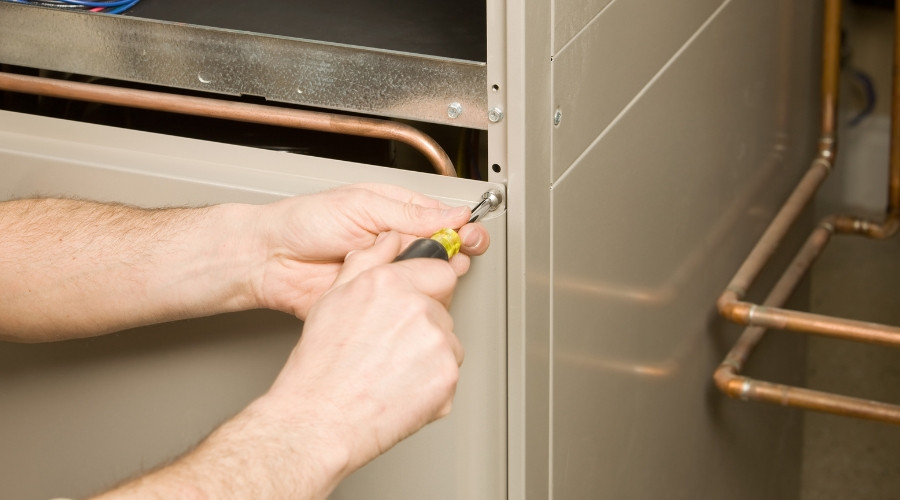
Technician performing maintenance on a heating system, using a screwdriver to secure a panel, emphasizing the importance of annual heating maintenance for efficiency and reliability.

Why Schedule Annual Heating Maintenance?

Waiting for a frigid night to discover a furnace failure can be an expensive and stressful experience. Maintaining the heater through scheduled heating maintenance is essential for reliable warmth and for preventing surprise repair bills. A simple annual visit helps keep the heating system running efficiently and reduces the likelihood of mid-season breakdowns. This post provides an overview of how a proactive furnace maintenance plan improves efficiency, boosts reliability, and extends equipment life, including practical tips focused on filters and airflow.

Improved Efficiency and Lower Costs

Piggy bank symbolizing savings and reduced costs associated with regular heating maintenance.Regular heater maintenance helps the heating system reach set temperatures with fewer, shorter cycles. When burners, heat exchangers, and blowers are clean and correctly adjusted, airflow improves and heat moves more easily through the home. Small tune‑ups—verifying temperature rise, checking safeties, and confirming proper fan settings—often add up to noticeable stability and better energy use.
Airflow starts with the filter. A clogged air filter or furnace filter causes the blower to work harder, resulting in increased run time and wear. Routine air filter replacement or furnace filter replacement restores steady airflow and helps maintain consistent supply temperatures at the registers. Filter checks should reflect actual conditions—pets, renovation dust, and lifestyle can shorten intervals—so planning a schedule that fits the space is key. Keeping returns and supply registers unobstructed further supports efficiency by letting treated air circulate freely.

Technicians also look for subtle efficiency losses that a glance might miss, such as loose terminals, slow blower motors, or leaky connections that let warmed air escape. Sealing small duct gaps, cleaning burners, and verifying control settings are straightforward steps with outsized impact. A comprehensive heating system maintenance visit aligns all these details, ensuring the furnace doesn’t overwork to meet demand and leading to lower operating costs over time.

More Reliable With Fewer Repairs

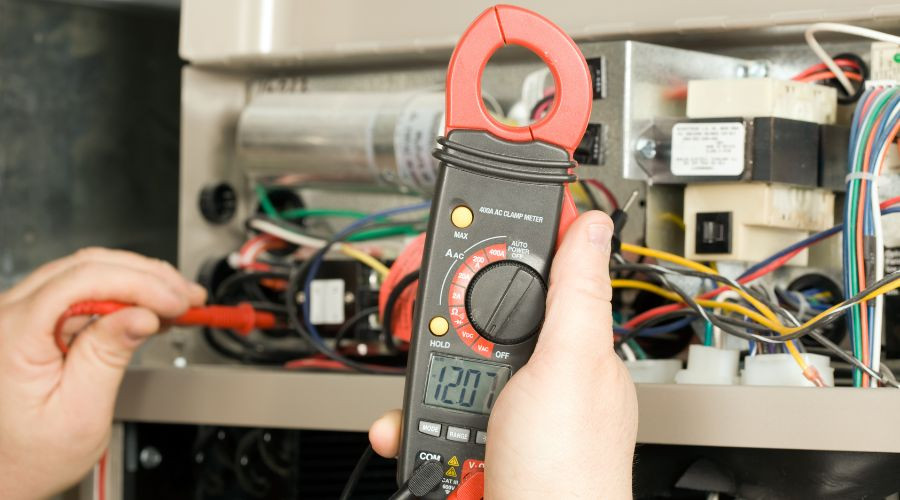
Technician using a multimeter to inspect electrical connections inside a heating system, highlighting maintenance for improved reliability and efficiency.Unexpected outages rarely happen without warning; they appear when minor issues go unnoticed. A fall heating maintenance appointment gives a professional the chance to catch wear before it interrupts heat on the coldest nights. Common findings include weak igniters, dirty flame sensors, worn belts, and aged capacitors—each a small fault that can grow into a bigger repair if left in place.

Reliability also depends on safety and control sequences. Limit switches, pressure switches, and other safeties must trip and reset properly to keep the cycle smooth and safe. When these parts are out of alignment, short cycling, lockouts, or nuisance shutdowns can follow. By resolving small problems in advance, emergency calls become far less likely. In most cases, the cost of seasonal heating system maintenance is modest compared to the price and disruption of after‑hours repairs during a severe cold snap.

Filters influence reliability as well as efficiency. Neglected filters strain blowers and heat exchangers, which can lead to premature component failures. Building a habit around air filter replacement and furnace filter replacement—paired with a thorough furnace maintenance checklist—creates a stable operating environment where parts last longer and service visits become more predictable.

Longer Lifespan

Heating equipment lasts longer when stress is minimized. Dust, heat, and vibration all contribute to wear; furnace maintenance counters those forces by cleaning heat‑transfer surfaces, lubricating moving parts where applicable, and tightening electrical connections. Correct airflow—achieved through clean filters and clear returns—keeps internal temperatures within design limits, protecting blowers and heat exchangers from unnecessary strain.

Preventive care also reduces the domino effect that turns one small issue into several larger ones. Replacing an inexpensive component before it fails protects other, costlier parts from damage. Over time, this approach delays the need for system replacement and allows planning for upgrades on a preferred schedule. For aging units that still operate safely, ongoing heater maintenance helps preserve comfort while buying valuable time to evaluate future options.

Filter strategy plays a role in longevity, too. An air filter or furnace filter that is replaced on schedule prevents heat buildup, keeps ducts cleaner, and supports healthy airflow. Whether using standard media or high‑efficiency cartridges, matching the filter to the system and environment—and sticking to a realistic replacement interval—pays off in reduced wear. Combined with consistent heating maintenance, these habits help a furnace reach its full service life with fewer surprises.

About North Point Air Conditioning & Heating

North Point Air Conditioning & Heating is a trusted family-owned and operated HVAC company providing expert service to the communities of Spring, TX, and the surrounding areas. They offer flat-rate pricing and the latest technology and equipment, so call them today for heater repair and maintenance in Spring, TX.

Distribution Links +

Signs the Heater May Need Repair

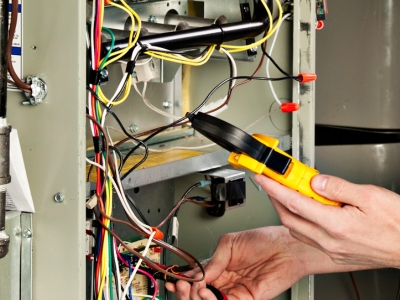
Technician's hand adjusting a clamp meter, measuring electrical current near HVAC components and wiring.

When to Call for Heater Repair

A well-functioning heater ensures comfort and safety during the colder months, but like any appliance, it may eventually experience issues that require attention. Recognizing the early warning signs of a failing heater can prevent unexpected breakdowns, costly repairs, and uncomfortable chilly nights.

Knowing when to call a professional for heater repair can be crucial in maintaining the efficiency and longevity of the heating system. Here are key situations that warrant a call to a professional HVAC technician:

High Utility Bills

Woman in a yellow sweater reviewing documents and checking utility bills on a laptop, highlighting concerns about high heating costs related to HVAC system efficiency.Sudden spikes in utility bills can clearly signal that the heating system is not functioning efficiently. While seasonal changes can naturally lead to increased energy use, an unexpected rise in bills without a corresponding drop in temperature or increase in heating use suggests that there’s an underlying issue with the system leading to: 

  • Decreased Efficiency: Whether it’s due to a failing motor, blocked air filters, or duct leaks, decreased efficiency can result in greater energy consumption, reflected in higher utility costs.
  • System Overcompensation: If the heater struggles to deliver sufficient heat due to problems such as dirty coils, faulty burners, or thermostat issues, it may run longer and cycle more frequently than necessary. This overcompensation not only wears out parts faster but also dramatically increases energy usage.

A qualified HVAC technician can diagnose the problem, perform necessary repairs, and recommend strategies to improve system efficiency. This can ultimately save homeowners money and ensure a warm, comfortable home.

Unusual Sounds or Smells

Woman with a concerned expression covering her nose, indicating a reaction to unusual smells, relevant to signs of heater malfunction and the importance of HVAC system maintenance.Strange sounds and unfamiliar odors from the heating system are often early warning signs that something is amiss and should not be ignored. These unusual indicators can point to a range of issues that need professional diagnosis and repair.

  • Banging or Clanking: These noises often indicate that there may be loose or broken components inside the system, such as blower wheels or fan blades. 
  • Squealing or Screeching: High-pitched sounds are commonly associated with problems in the blower motor or fan belt, such as lack of lubrication or alignment issues. 
  • Rattling: Rattling noises can indicate loose ducts, panels, or foreign objects caught in the system.
  • Burning Odors: While an occasional dusty smell may arise when homeowners first turn on the heater for the season, persistent burning odors can signal more serious issues, such as overheating components, electrical problems, or a failing motor. 
  • Rotten Egg Smell: A sulfur-like odor reminiscent of rotten eggs could indicate a natural gas leak. If homeowners detect this smell, turn off the heating system, exit the premises immediately, and contact their gas company and a professional technician for emergency service.
  • Musty or Mildew Smell: Persistent musty odors can be a sign of mold or mildew buildup within the system or ductwork. This not only reduces indoor air quality but can also lead to health concerns.

Promptly consulting with an HVAC professional when these issues arise will help maintain optimal performance, extend the life of the system, and keep the home both comfortable and safe.

Issues With Heating

When a home struggles to reach the desired temperature despite its thermostat settings, this is a clear indication that the heating system requires professional attention. Insufficient heating often manifests as rooms that never quite warm up enough, noticeable temperature variations between different areas of the home, a system that runs continuously without achieving comfort, or a complete lack of heating. These symptoms typically can point to underlying issues, such as a malfunctioning thermostat, clogged filters restricting airflow, failing heating elements, compromised ductwork, an improperly sized system for your space, and more.

A professional HVAC technician can conduct a comprehensive diagnostic assessment to identify the specific cause of a household’s heating issues, whether it’s a simple maintenance issue or a more complex mechanical failure requiring repair or replacement. Addressing these problems promptly not only restores comfort but prevents the excessive energy consumption and accelerated system wear that accompanies a struggling heating system.

About North Point Air Conditioning & Heating

North Point Air Conditioning & Heating is proud to boast an A+ rating from the Better Business Bureau. They offer flat-rate pricing to ensure there is no confusion on the bill after the work. Contact them today for reliable heater repair services in Spring, TX.

Make Sure You’ve Maintained Your Heater This Year

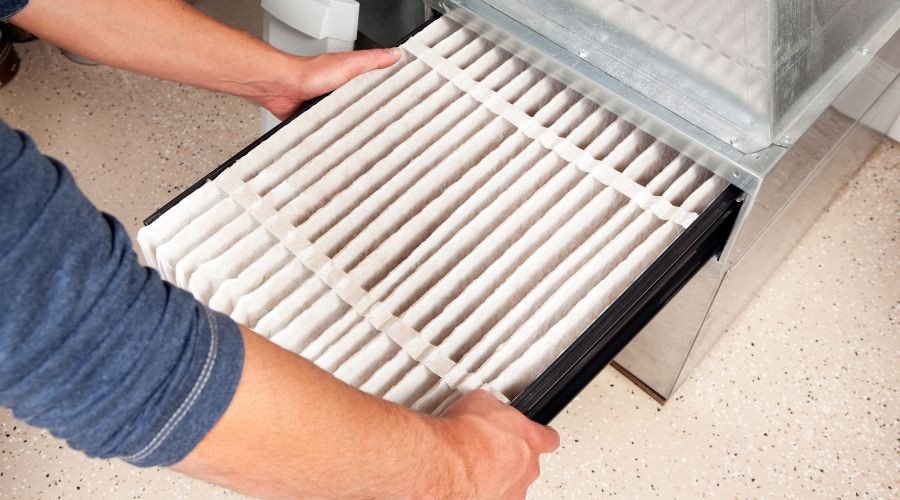
Person removing clean pleated air filter from modern HVAC unit indoors, emphasizing maintenance by North Point HVAC services.

Schedule Heater Maintenance Before the Year Ends

It’s never too late to start keeping up with your annual heater maintenance. The Texas weather cycle loves to wait until the start of a new year to turn down the temperature, so now is the perfect time to ensure your heater is working in top shape. Heater maintenance is not something to overlook, and it often saves you more than you expend on annual fees. 

Importance of Heater Maintenance

Mother and daughter happily saving money together, with the daughter inserting coins into a pink piggy bank, illustrating the importance of financial planning and savings.Annual heater maintenance goes beyond a simple tune-up. It allows a professional eye on your system, interceding before major issues can strike and making sure everything is exactly as it needs to be (and even adheres to your manufacturer’s warranty requirements).

By keeping up with heater maintenance, you keep your system running as efficiently as possible. This ensures you have sufficient and comfortable heat, all while keeping energy bills as low as possible.

A well-maintained system is also much safer to run. While malfunctions aren’t completely avoidable, monitoring all the parts and testing the system can limit these surprises. Regular inspections can also catch issues like carbon monoxide leaks before they occur and keep your system running for the rest of its lifespan.

What Heater Maintenance Involves

Heater maintenance system with visible wiring, gas valve, and components, illustrating the intricacies involved in professional HVAC inspections and upkeep for efficient heating performance.While homeowners can carry some of the workload by changing their air filters every 3 months, professional technicians get into the much finer details of heater maintenance.

Professional technicians ensure that your thermostat receives information, sends proper instructions, and responds properly to heat the home. They also ensure that all connections are tight and secure, keep moving parts properly lubricated, and test all the components of the heating system.

Depending on the type of heater, your technician may also check the gas line and combustion and clear dirt and debris from the system. While doing all this, your technician will look for signs of potential issues, such as parts failure or leaks, so they don’t creep up on you when you’re counting on your heater to work.

How Often Is Heater Maintenance Needed?

We recommend professional heater maintenance at least once a year and air filter replacement at least every three months (possibly sooner, depending on the conditions). Following a regular schedule can limit issues like system failure when needed most.

To get the most out of your system, scheduling maintenance in late summer or early fall can give you plenty of time to make any necessary repairs without interrupting your needs in cold weather. This also ensures you don’t run into scheduling issues, as families often have emergencies and need quick fixes for their heaters.

If you’ve noticed a change in your heating system’s efficiency or concerning smells or sounds, scheduling maintenance sooner rather than later may prevent more extensive damage and costlier repairs.

About North Point Air Conditioning & Heating

The NATE-certified North Point Air Conditioning & Heating technicians have plenty of experience with Texas’s fickle weather. Operating since 1977, they understand the importance of a well-working HVAC system and an honest, straightforward relationship with customers in the Harris County area. Call them today for reliable heater services in Spring, TX

Distribution Links +

Signs Your Heater Needs Repair

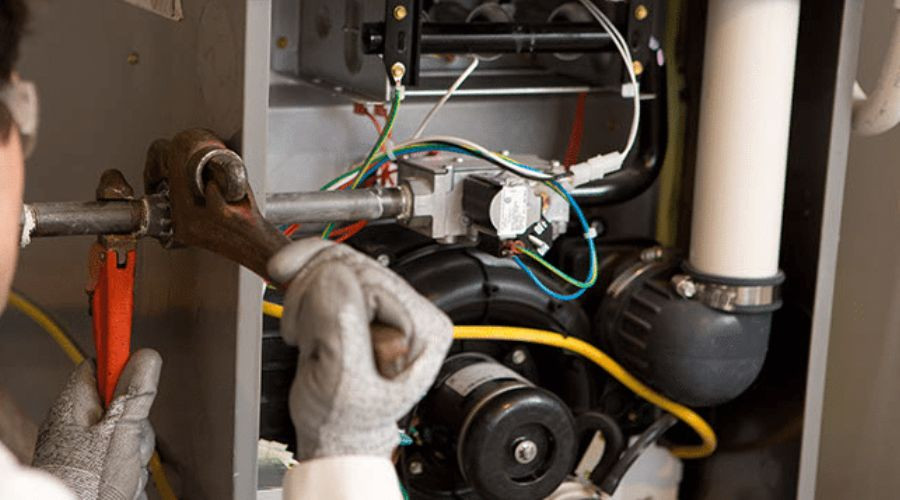
Technician using a wrench to repair complex HVAC machinery with colorful wires at North Point Air Conditioning & Heating.

When to Schedule Heater Repair Services

When chilly winter temperatures occur, homeowners need to ensure their heating system is up to the task of keeping their house warm. If it malfunctions, homeowners need to schedule heater or furnace repair services as soon as possible to keep their house comfortable.

This article will discuss signs homeowners should watch for that can indicate they need to schedule heater repair, including increasing utility bills, strange noises or smells, and a lack of heat or uneven heating in their house. 

Rising Energy Bills

Woman sitting on a couch looking shocked while holding a utility bill and a calculator, illustrating rising energy bills related to heating system inefficiency.While there are several signs homeowners should watch for that can signal they need to book heater repairs, one important one to note is a spike in the utility bill. When energy bills increase without a noticeable change in usage, it can indicate a problem with the heater that is causing a loss of efficiency

Numerous issues with the heating system can cause utility bills to increase, including dirty air filters, malfunctioning equipment, leaking air ducts, a lack of heating maintenance, a broken thermostat, and other problems with the system. So if homeowners notice their heating costs increase and their filters aren’t dirty, they should call a technician to inspect their system and fix the cause of the heater’s inefficiency. 

Odd Sounds or Smells

Woman pinching her nose, indicating an unpleasant odor, reflecting concerns about unusual smells from heating systems.When heaters suddenly start making sounds that homeowners have never heard before or emit unusual odors like the smell of burning, it can indicate the system needs repairs. Banging, clanging, or rattling can signal a damaged part. Squealing or screeching can mean the fan or motor needs attention. Clicking can signal a problem with the gas valve or ignition. So if any new, strange sounds are noticed, a professional should be called to inspect and fix the heater. 

Strange odors can also indicate different problems – including some severe issues. If homeowners notice gas-like smells or odors similar to rotten eggs, they need immediate help, as it can signal a gas leak. Musty or moldy odors can indicate mold in the unit or ducts, and burning odors can signal a serious issue like overheating. Some burning smells can be normal if it happens when property owners first turn on the system for the season, and the dust burns off, but if the system has that smell when it’s not being turned on for the first time in a long time, there’s likely a problem. 

Lack of Heat or Uneven Heating

One of the most obvious signs that a heater is malfunctioning is if it doesn’t produce enough heat to keep the house warm and comfortable. If homeowners notice a total absence of heat, cool air coming from the vents, or uneven heating, it can be caused by a variety of issues and a professional should be called. 

If there is a lack of heat or cool air coming from vents, it can be due to a malfunctioning thermostat, broken ignition, or a problem with the heat exchanger. If there is uneven heating throughout the house, it can be caused by a problem with the ductwork, dirty air filters, or a malfunctioning blower motor. So when homeowners notice these problems, they should schedule a heating repair visit with an HVAC company to have the problem quickly repaired and restore comfort. 

About North Point Air Conditioning & Heating

North Point Air Conditioning & Heating is a family-owned company serving Spring, TX, and the surrounding areas since 1977. They provide straightforward pricing, a customer-first approach, and a 100% satisfaction guarantee. Call them today for heater repair in Spring, TX

Distribution Links +