
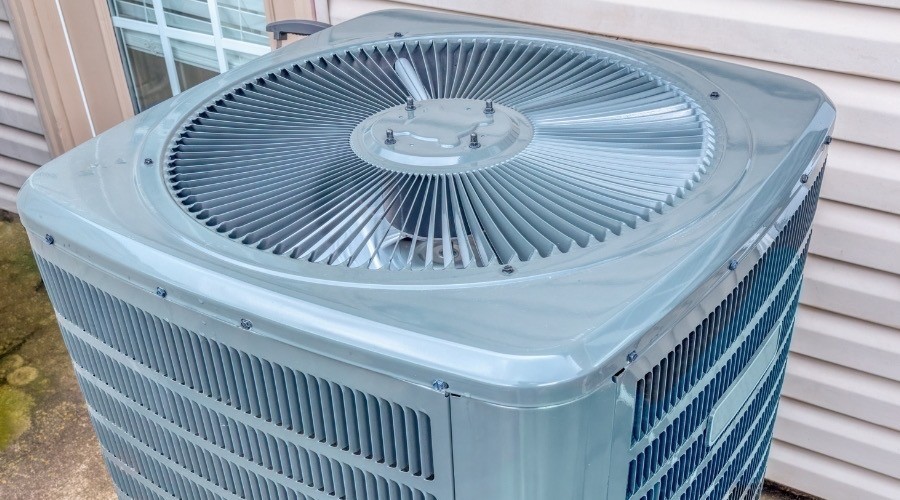
Important AC Replacement Basics to Know
Maintaining a reliable and efficient air conditioning system is essential for home comfort as outdoor temperatures continue to rise. While many property owners attempt to keep using their existing AC equipment for as long as possible, every system eventually reaches the end of its lifespan, at which point comfort can be affected, or repairs are no longer cost-effective.
Getting a proactive air conditioner replacement instead of waiting for the system to break down and stop cooling entirely can prevent the stress and discomfort of a total system failure during summer heat. Understanding the options for upgrading allows homeowners to make more informed decisions about which to install to replace their existing AC system. This guide will explain important information about air conditioning replacement, including signs that an air conditioner needs replacing, the advantages of replacing an old AC unit, and types of air conditioning systems to consider for replacement.
Signs to Replace an Air Conditioner
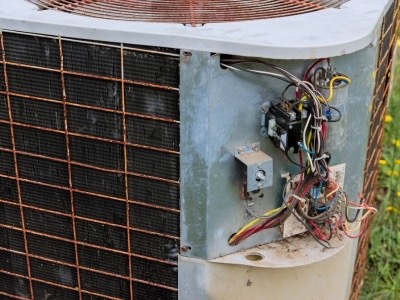 Recognizing early indicators that a cooling system is reaching the end of its lifespan and calling a professional to determine whether AC replacement is needed can prevent significant frustration and discomfort. One telling sign is the age of the equipment, as AC units older than 10 years may begin to slow down or experience recurring issues. While minor fixes might offer temporary relief, an aging system can eventually lose the ability to meet demanding cooling needs and lose efficiency, leading to higher cooling costs. High energy bills are frequently a symptom of an old, inefficient AC unit struggling to maintain set temperatures.
Another sign that air conditioning replacement is needed is when an air conditioner requires repairs too frequently, or an older air conditioner needs a repair that is too expensive. The total cost of service calls and parts can exceed the value of the unit itself, so a professional air conditioning replacement may be the more cost-effective solution. Other potential warning signs of an aging air conditioner that may need to be replaced include inconsistent temperatures or a loss of cooling.
Advantages of Replacing an Old AC Unit
Investing in a new AC installation to replace an old AC unit offers several benefits for a household. Modern cooling equipment uses advanced technology that dramatically improves energy efficiency compared to models manufactured even a decade ago. Also, because AC systems lose energy efficiency as they age, replacing an outdated air conditioner with a new, more energy-efficient one can lead to substantial savings on monthly cooling costs.
A new air conditioner installation also provides enhanced reliability, comfort, and peace of mind. With a new AC unit, free of wear and tear and backed by manufacturer warranties, the risk of unexpected breakdowns and associated repair costs is significantly reduced. Additionally, comfort can be improved, and a lower risk of problems and breakdowns means more reliable comfort. The replacement process also presents the perfect opportunity to resize the system. If a home has undergone renovations or the original unit was incorrectly sized, a professional can ensure the new air conditioning installation is perfectly matched to the property’s current square footage and cooling demands.
Choosing a Type of AC System
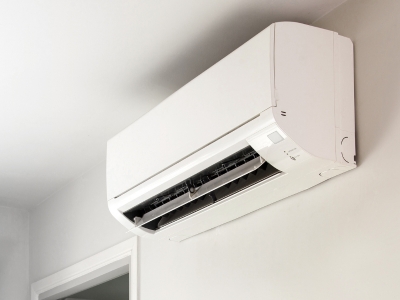 When planning for an AC installation, homeowners typically decide between two types of cooling systems. The choice can depend on the home’s architecture, existing infrastructure, and the residents’ specific budget and needs. A traditional central air conditioning system is often the preferred and most cost-effective choice for homes with existing ductwork. These systems generally have a lower initial installation cost, especially when they use existing air ducts. Furthermore, a central AC system is largely out of sight, with vents that blend into the walls or ceilings while the ducts remain hidden. However, central air systems typically have higher monthly operating costs due to energy losses in the air ducts and the need to cool the entire home simultaneously.
In contrast, a ductless mini-split system offers a modern, highly energy-efficient alternative. Because a ductless mini split AC system does not require air ducts, it eliminates the energy waste associated with ductwork, leading to lower monthly energy bills. These systems also offer exceptional room-by-room temperature control, allowing users to independently cool different zones of the home that have an indoor unit. While the upfront cost for a mini-split system is typically higher, and the wall-mounted indoor units are more visible, their installation flexibility due to the lack of ducts and long-term energy savings make them a compelling investment for many modern households.
About North Point Air Conditioning & Heating
North Point Air Conditioning & Heating has nearly 50 years of experience serving the Spring community and surrounding areas. They provide customer-first services, straightforward pricing, and a 100% satisfaction guarantee. Call for air conditioning replacement and installation in Spring, TX.
)

 Routine AC maintenance helps systems run smoothly through heat waves and reduces surprise service calls. Many homes and light commercial spaces see better efficiency and fewer repair visits when maintenance is scheduled before peak cooling season.
)
 A commitment to
 During a professional air conditioning maintenance visit, technicians perform a series of crucial tasks to ensure system reliability and efficiency. The process typically includes:
)